
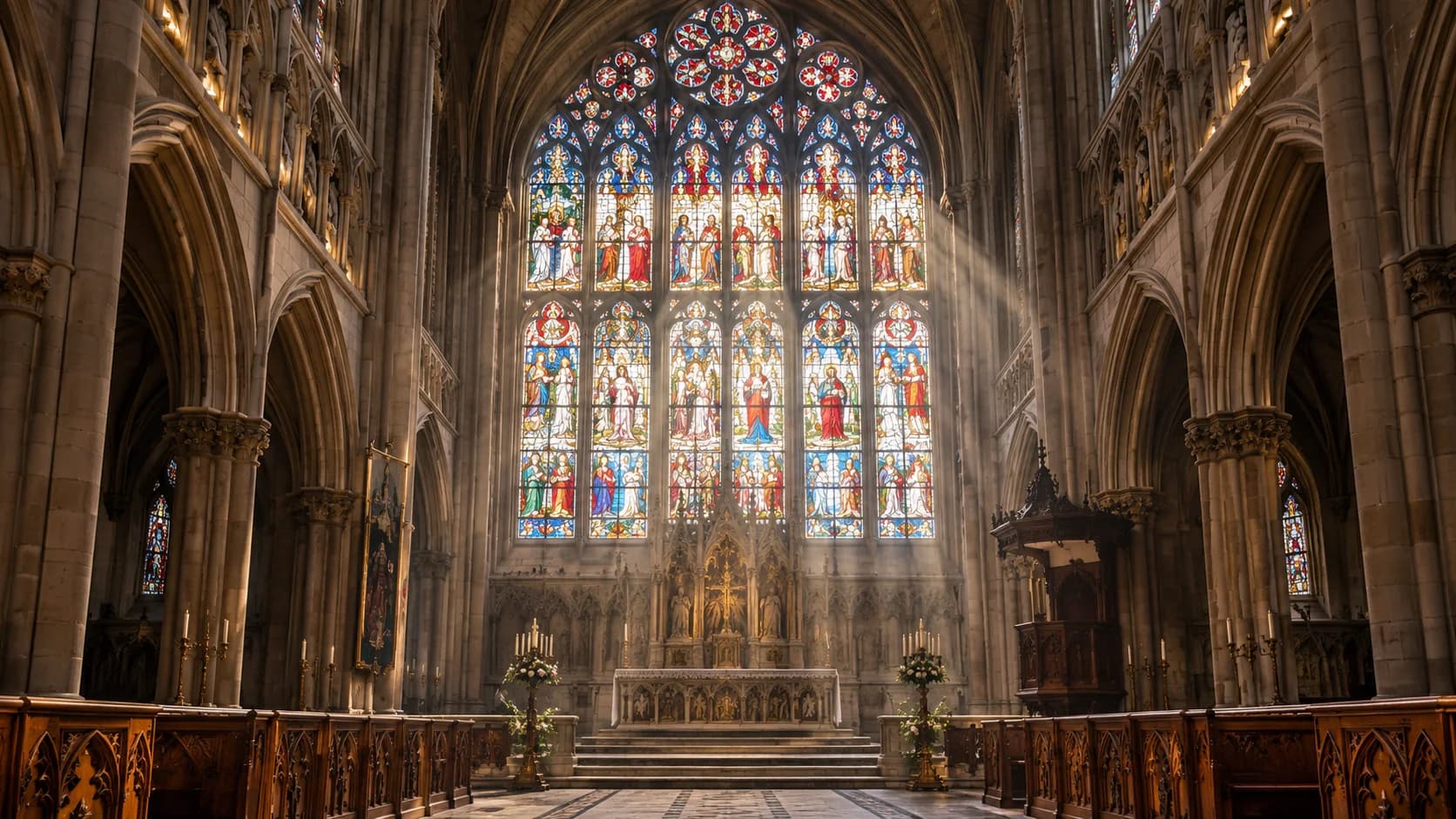
Church stained glass decisions are rarely made by one person. Pastors, facilities teams, finance committees, donors and diocesan representatives may all need clear information about condition, urgency, cost drivers and timing.
Start with an inventory, not assumptions
A building may contain windows of different ages, materials and conditions. An inventory creates a shared record of what exists and helps separate urgent structural concerns from maintenance items that can be monitored.
- Window location and orientation
- Photographs
- Visible damage
- Access conditions
- Existing safety glass installation
Ask for priorities and options
A useful assessment should help the committee understand what needs immediate attention, what can be addressed through targeted repair and what may require complete restoration. Larger programs can often be divided into responsible phases.
The committee should also understand assumptions: access equipment, surrounding frame work, safety glass installation and interior protection can materially affect the scope.
Preserve the project record
Before-and-after photography, treatment descriptions and panel identification should remain with the church. Future committees will make better decisions when the reasons behind previous work are documented.
- Approved scope
- Photo record
- Materials and treatment notes
- Maintenance guidance
- Future inspection dates