
Sublime Stained Glass
Serving Southern California • English & Spanish consultations
Sublime Stained Glass
FREQUENTLY ASKED QUESTIONS
General guidance about repair, restoration, conservation, cleaning, protection, custom design and project planning.
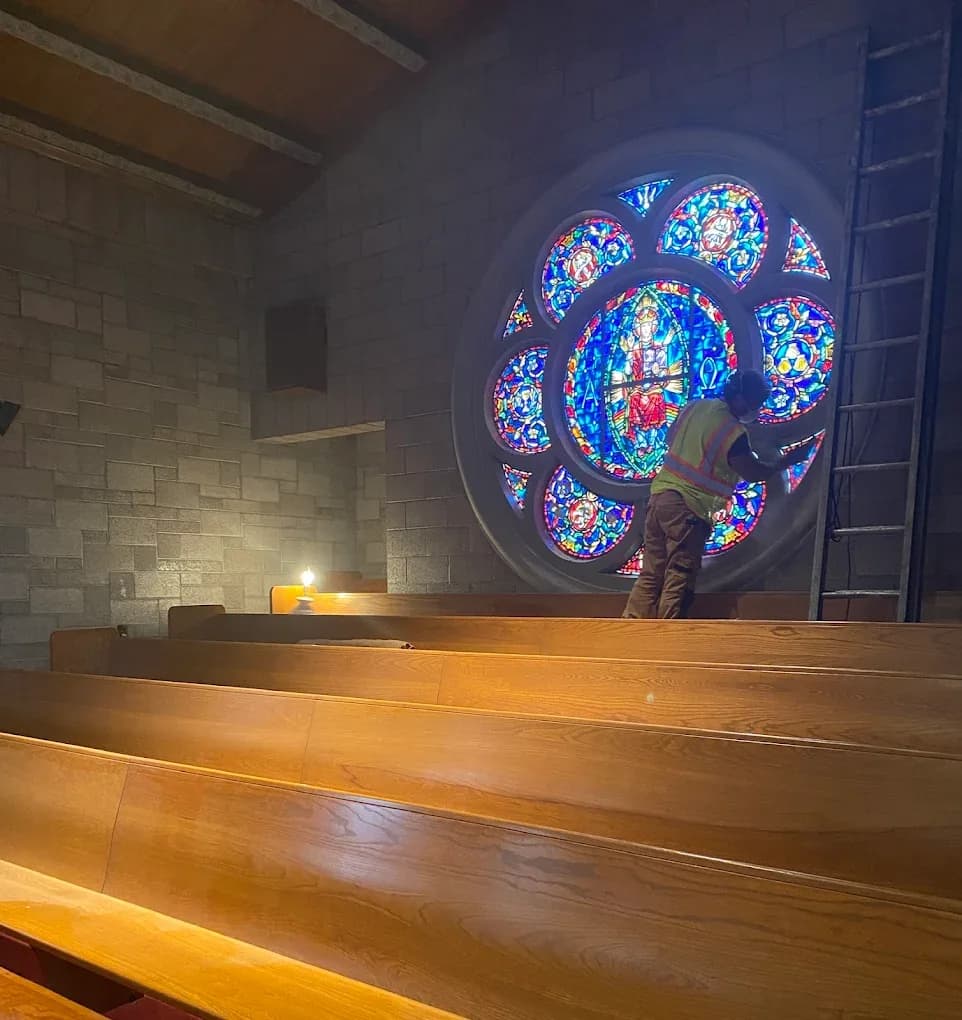
Preserving heritage. Protecting light.
Original material whenever practical
START HERE
These answers explain common principles. Photographs and an on-site review may still be needed to understand a specific condition.
Cracked glass, bowing, rattling, loose lead, failed solder joints, missing cement, daylight around panel edges, water entry, corrosion and visible movement are common warning signs. A condition review helps separate localized damage from broader structural deterioration.
Repair addresses localized damage. Restoration treats broader deterioration and returns stability and function. Conservation places particular emphasis on retaining original material, minimizing intervention and documenting treatment decisions.
Some localized repairs can be completed on site. Widespread lead fatigue, significant bowing, inaccessible panels or extensive damage may require careful removal and studio work.
Timing depends on the size and number of panels, condition, access, design complexity, replacement-glass matching, painted details and surrounding construction. A project-specific review is needed before a schedule can be established.
Cost depends on damage, access, panel size, type of glass, lead condition, painting, frame work, safety glass installation and whether the panel must be removed. Photos help establish the next step, but a formal scope may require an on-site assessment.
Often, yes. Original glass should be retained whenever practical. Cracks may sometimes be stabilized or repaired; missing or irreparably damaged pieces may require carefully matched replacement glass.
Keep people away from unstable glass, preserve fallen fragments when it is safe, photograph the full window and damaged areas, secure the opening with qualified help and request a stained glass assessment.
No. A successful protective system must consider spacing, ventilation, drainage, framing, access and visual appearance. A poorly planned exterior covering can trap heat and moisture and make future maintenance more difficult.
Household cleaners, abrasives, pressure washing and aggressive scrubbing can damage painted details, lead, solder, putty and surrounding finishes. The condition of the window should be evaluated before selecting a cleaning method.
Many institutional projects can be documented and prioritized so urgent work is addressed first and remaining windows are planned in manageable phases. The appropriate sequence depends on condition and access.
Sublime works with churches, religious institutions, property representatives, architects and contractors. Project communication can be organized around the people responsible for approvals, access and surrounding construction.
Relocation may be possible after measurements, documentation and evaluation of the existing panels and the new opening. The process can involve removal, packing, transportation, adaptation, repair and reinstallation.
Sublime offers damage evaluation and can document visible conditions and a proposed scope. The exact documentation required should be coordinated with the property owner and insurer.
Yes. Custom work can be developed for churches, memorial spaces and architectural settings. The design process considers the opening, light, privacy, style, color and installation conditions.
Send clear photos of the full window, close-ups of the concern, approximate dimensions, the project city, property type and a brief description of what you have noticed. Multiple angles are helpful.
Yes. English and Spanish contact options are available. You may also indicate your preferred language in the assessment form.
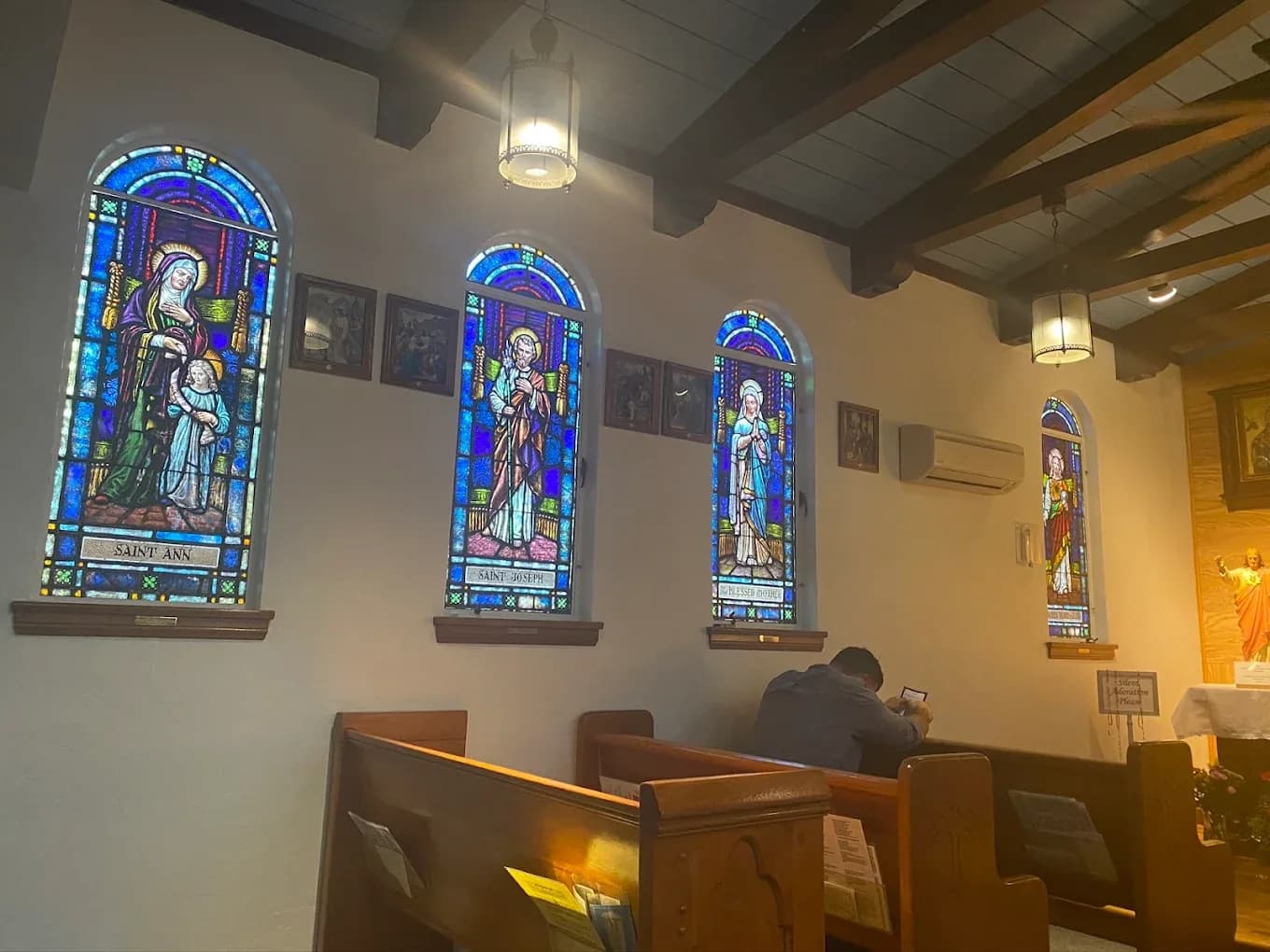
Share photos.
Receive a clear path. Preserve the work.

Start with what you know
Send photographs and a few project details. We’ll review the information and contact you to discuss the appropriate next step.
English & Spanish consultations • 661-406-0612