
A stained glass restoration project can be technically complex, emotionally meaningful and financially significant. Churches often need to explain the need to donors, congregants and committees in a way that is honest, specific and connected to stewardship rather than alarm.
Translate technical problems into visible concerns
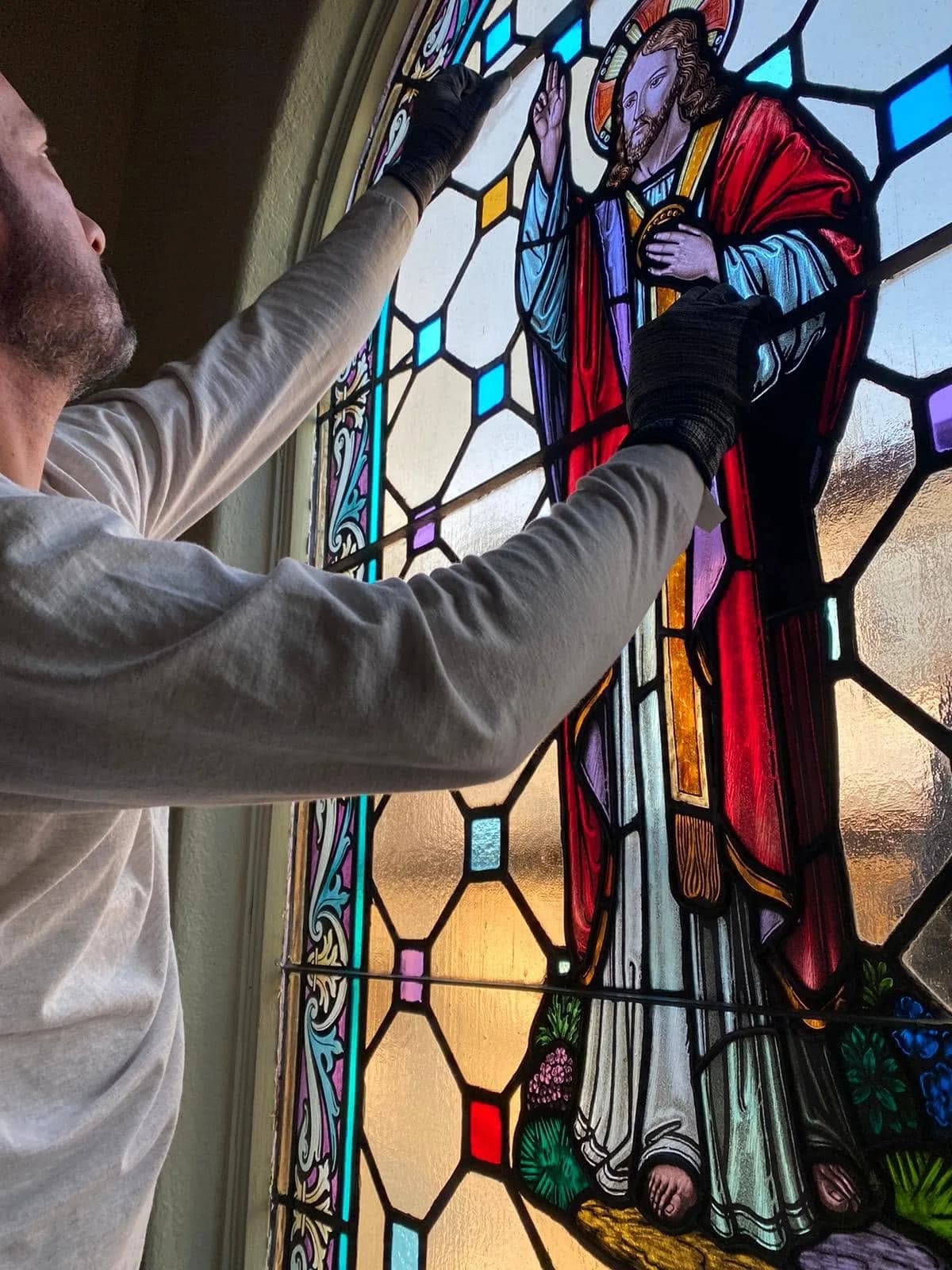
Terms like failed lead came, loose cement or support tie failure may not mean much to a donor. Pair technical descriptions with photographs and plain-language explanations of what the issue could lead to if ignored.
The message should not exaggerate danger; it should make the condition understandable.
- Show the full window
- Show close-ups of damage
- Explain what the material does
- Describe why timing matters
- Avoid vague claims like old or bad
Connect the window to mission and memory
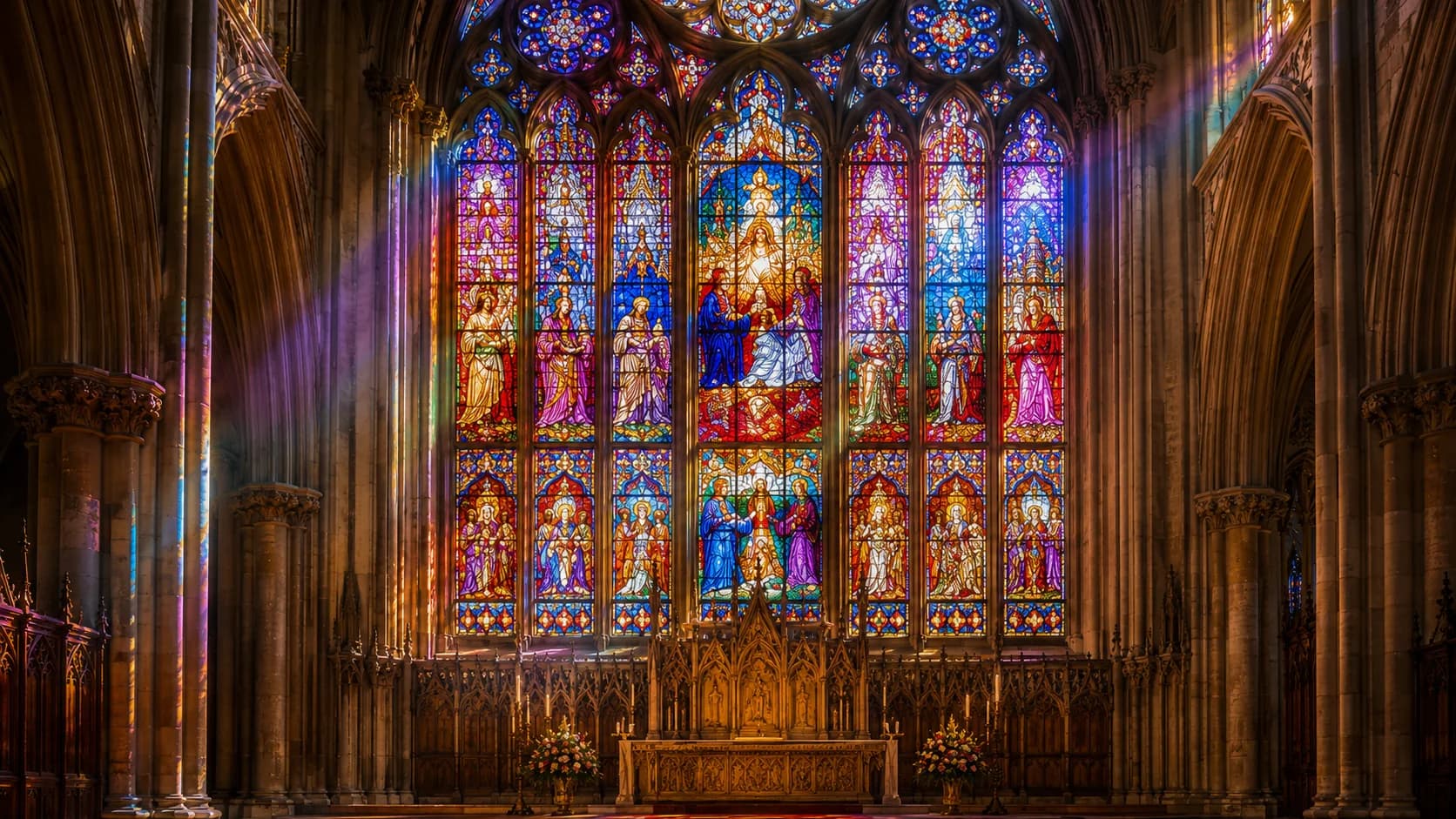
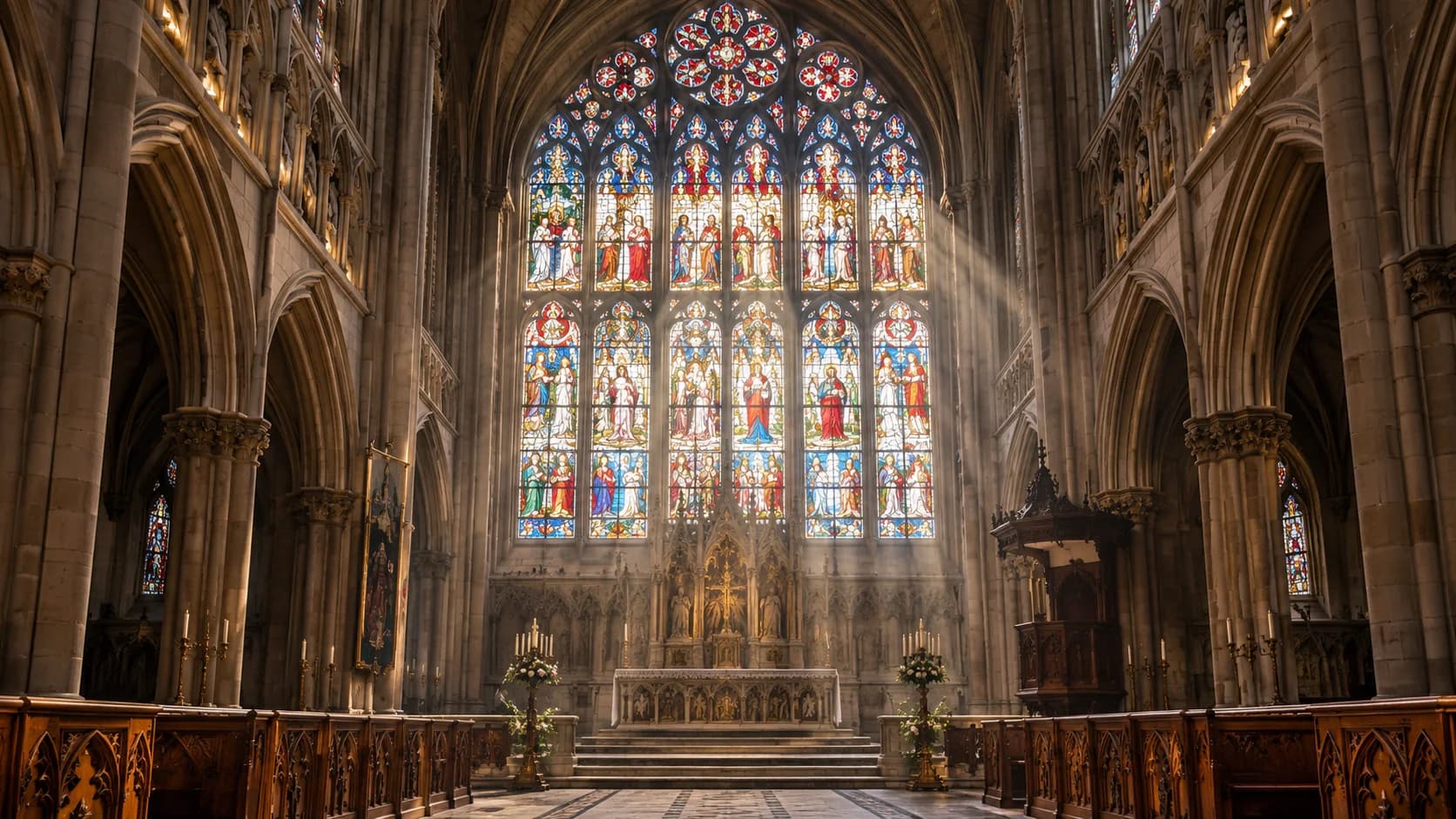
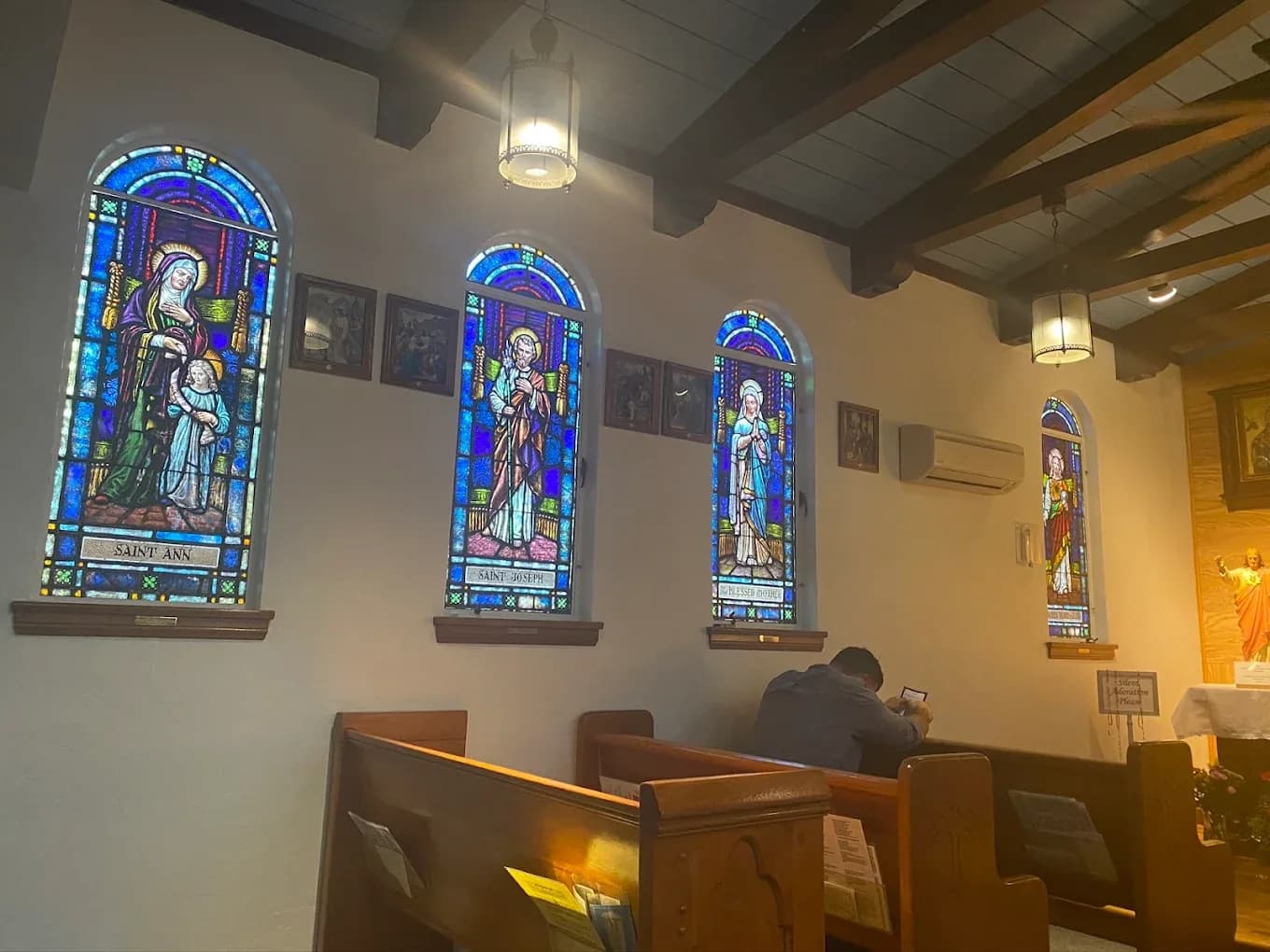
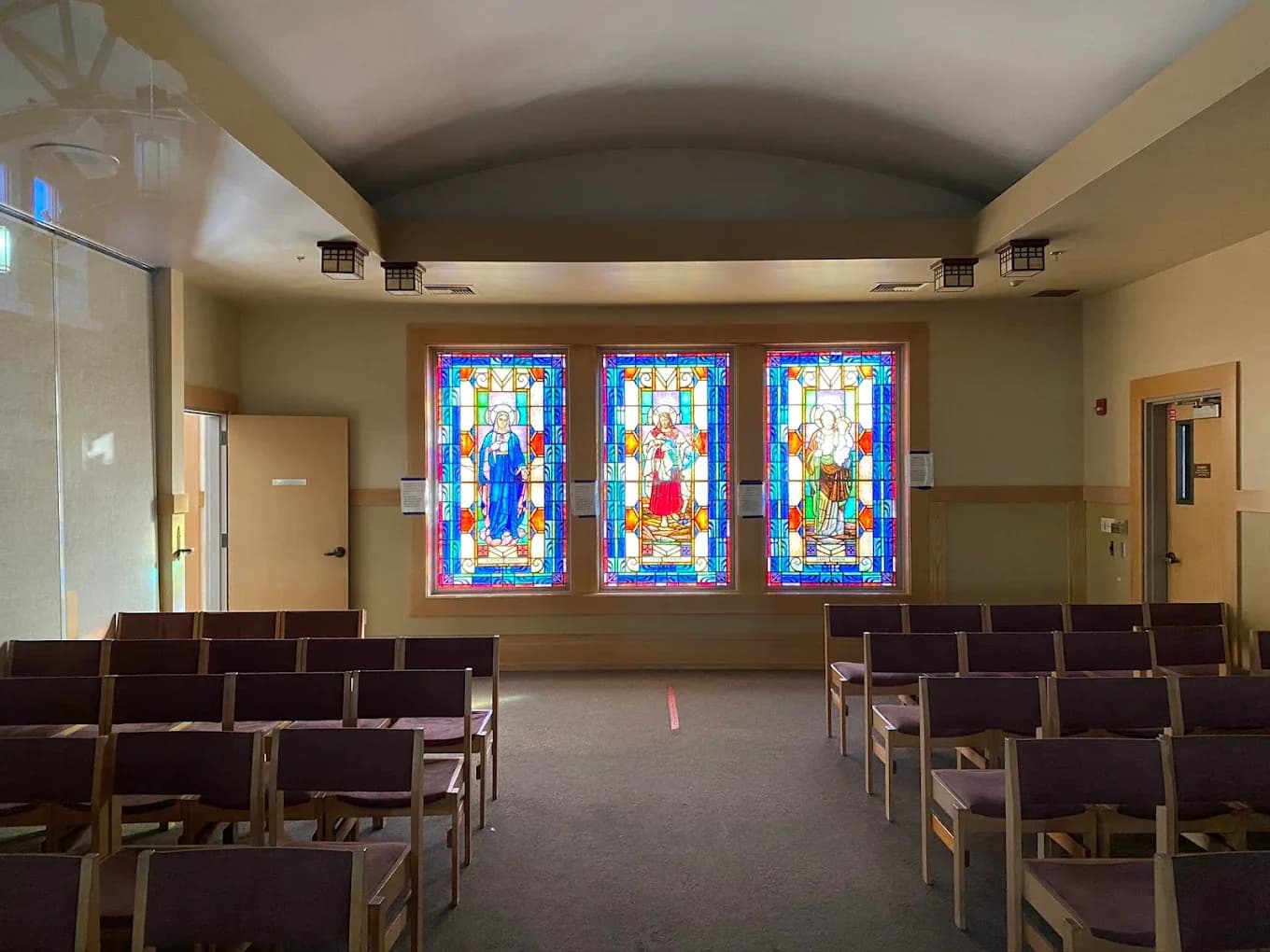
Church stained glass often represents scripture, saints, donors, community history and sacred atmosphere. Restoration is not only a maintenance expense; it is care for a visible part of worship and memory.
A strong donor message explains both the practical need and the meaning of preserving the window.
- Biblical or symbolic imagery
- Donor history
- Role in worship space
- Community identity
- Future generations
Use phases to make the project approachable
If a church has many windows, one large number can overwhelm supporters. A condition review can help prioritize urgent windows and create phases that are easier to explain and fund.
Phasing also allows committees to address safety or deterioration first while planning broader preservation responsibly.
- Immediate stabilization
- Priority restoration
- Safety glass installation review
- Maintenance and monitoring
- Future phases
Keep the language transparent
Donors should understand what is included, what is not included and what decisions may come later. Clear communication builds trust and reduces confusion if hidden conditions appear.
Avoid promising exact outcomes before assessment. Instead, explain the process and how decisions will be documented.
- Scope summary
- Project assumptions
- Photo documentation
- Timeline considerations
- Future maintenance guidance
Create a simple restoration brief
A one- or two-page brief can help pastors and committees communicate consistently. Include photographs, condition summary, project goal, phases, and a clear call for support.
The brief becomes useful for meetings, donor conversations, newsletters and grant discussions.
- Why the window matters
- What is happening physically
- What the project will address
- How donors can help
- How the work will be documented
Yes, clear photographs and respectful explanations help donors understand the need without exaggeration.
Often yes. A condition review can help prioritize urgent windows and plan future phases responsibly.