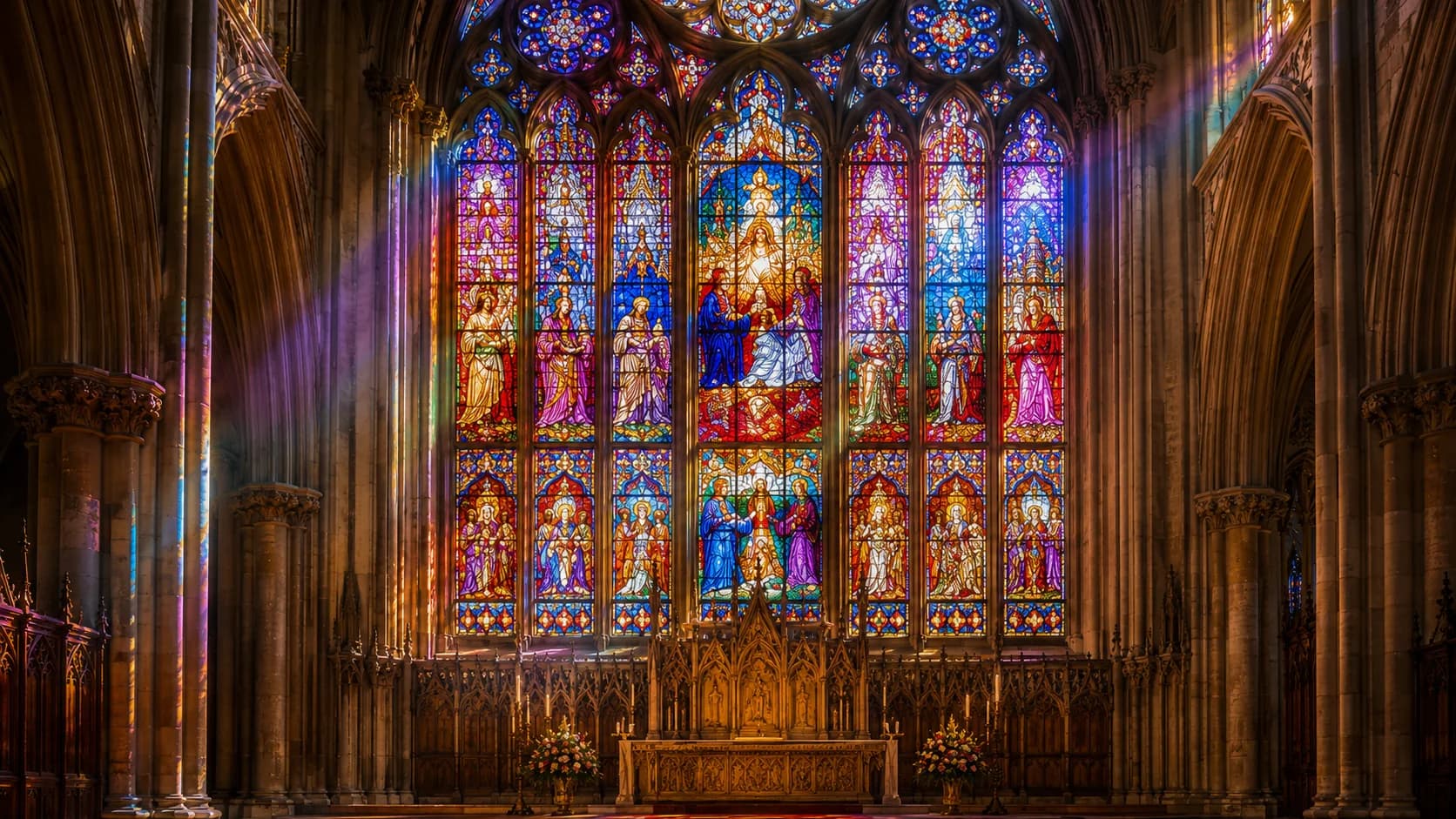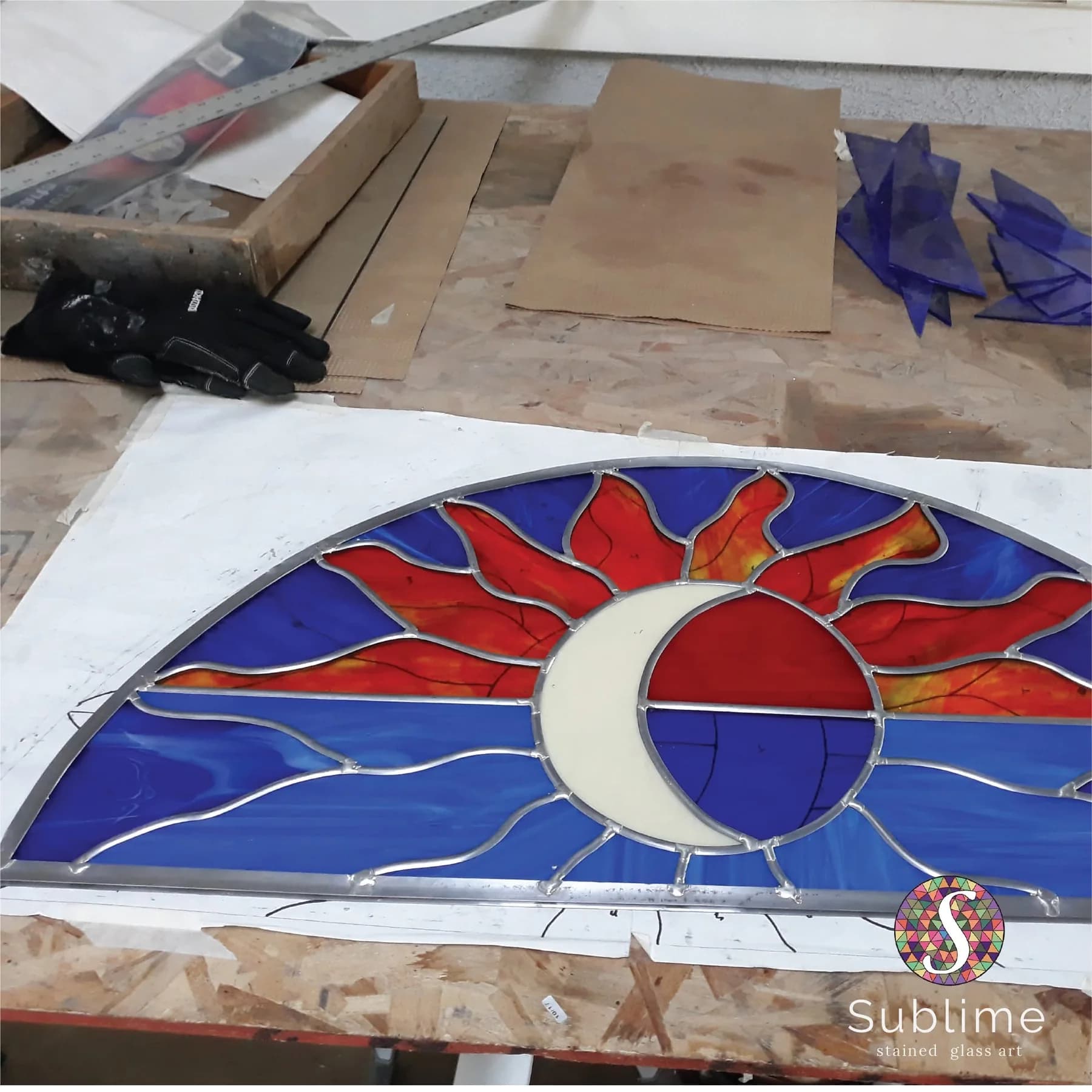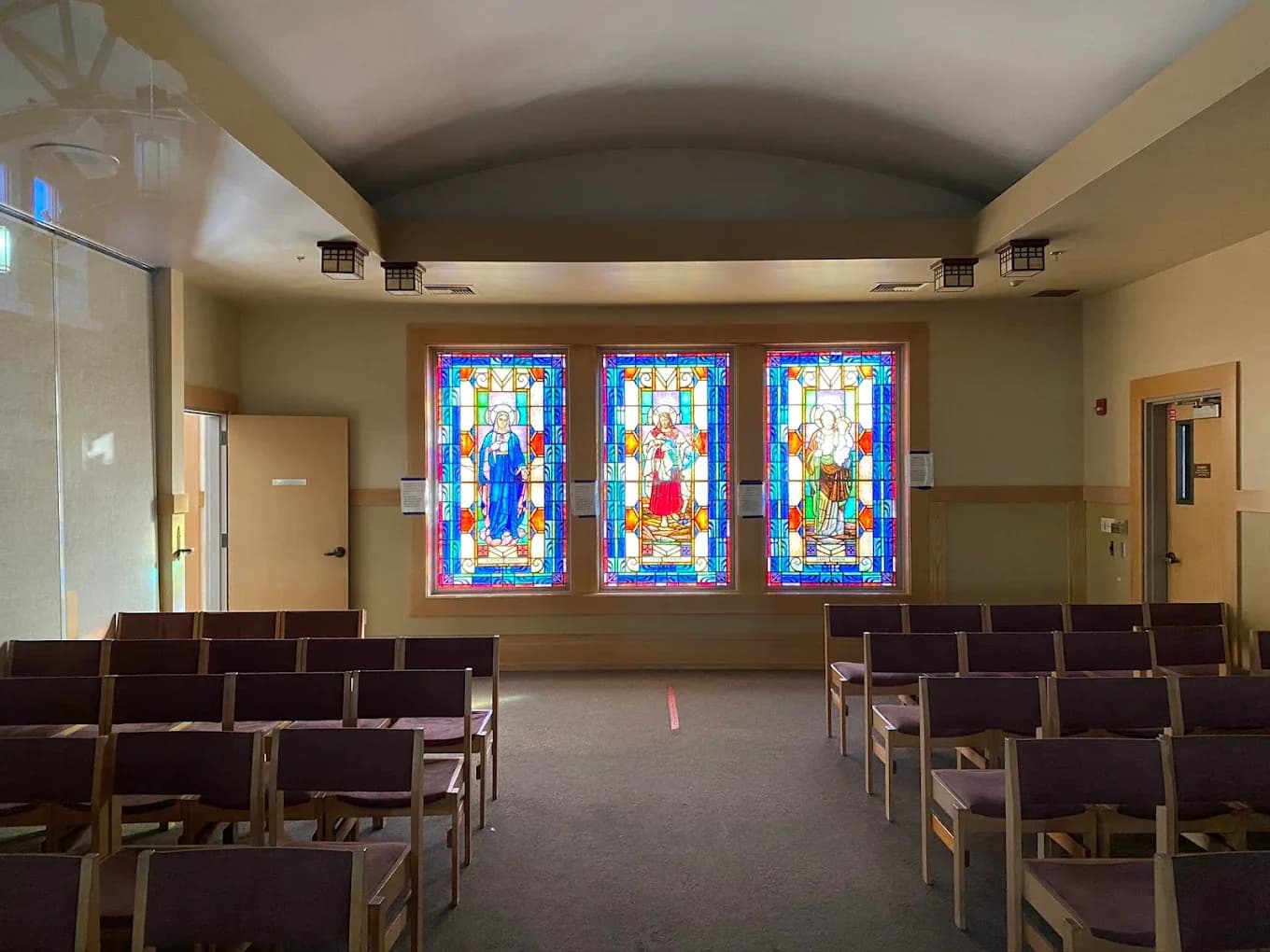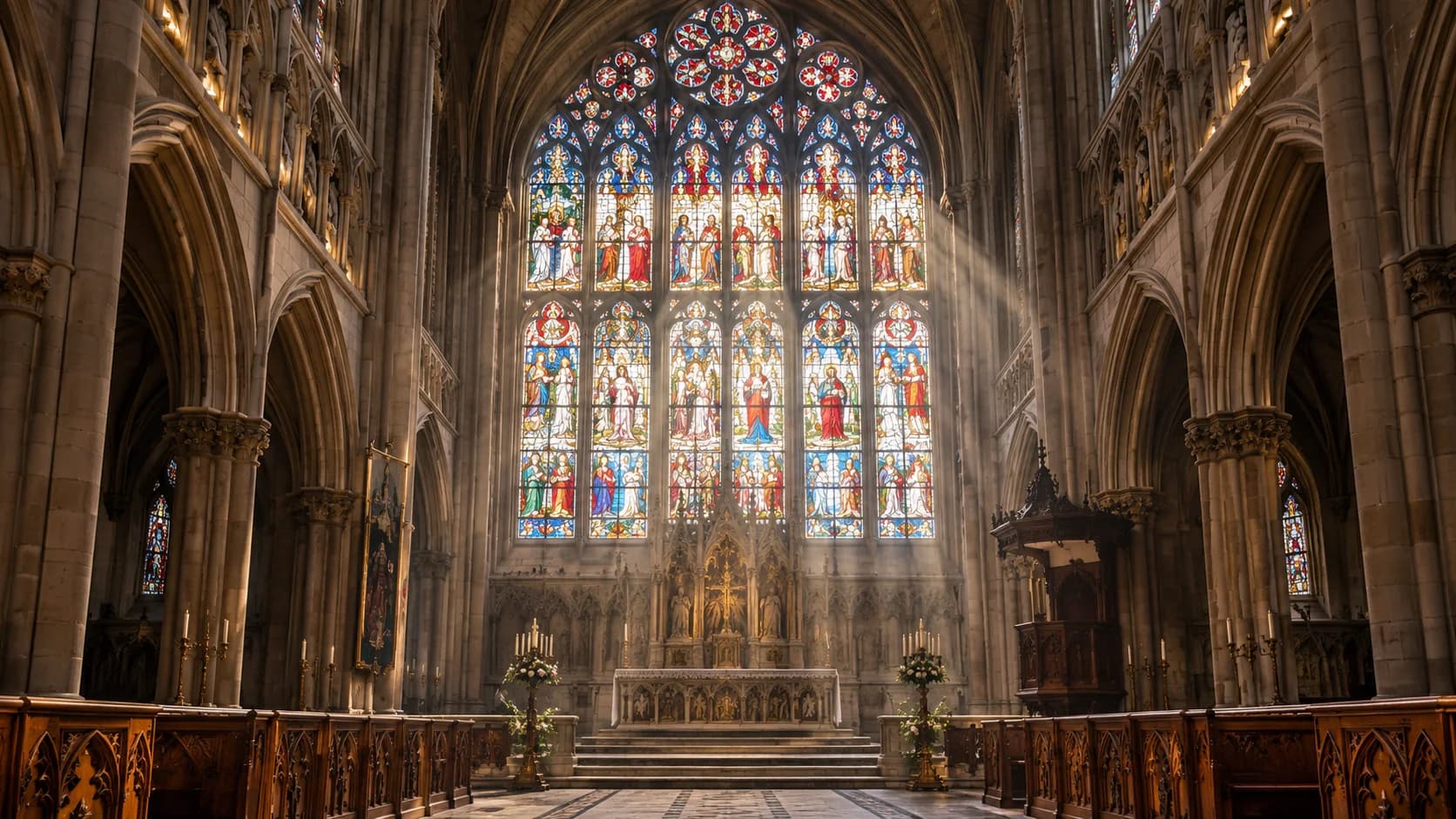

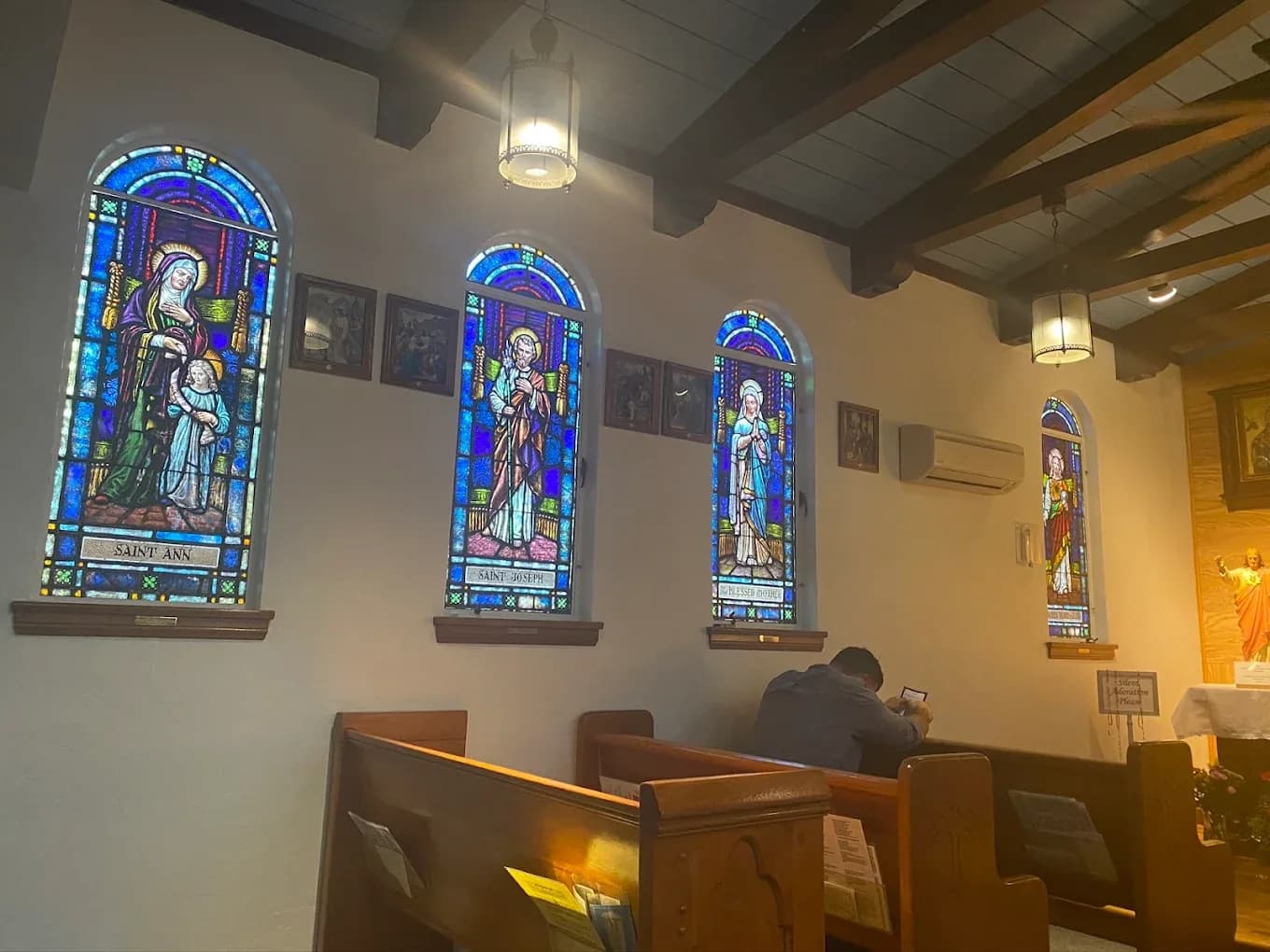
Church stained glass often outlasts the committees that care for it. Without a simple maintenance record, each generation has to rediscover which windows are vulnerable, which repairs were completed and which conditions need monitoring. A useful plan does not need to be complicated; it needs to be consistent, documented and realistic.
Create a basic window inventory
Begin by assigning every window an identifier. The name can be simple: sanctuary north wall window one, choir loft rose window or chapel east lancet. The goal is to make future conversations precise.
Photograph each window from inside and outside when safe. Record approximate size, location, orientation, height, visible damage and whether safety glass installation exists.
- Window ID or location name
- Interior and exterior photographs
- Approximate dimensions
- Known history or donor information
- Visible condition notes
Separate urgent risks from routine care
Not every concern requires emergency restoration. Dust, minor surface grime and small cosmetic issues may be monitored. Loose pieces, bowing, falling fragments, water entry and rattling panels deserve faster attention.
A maintenance plan should identify immediate safety issues, near-term repairs and long-term restoration priorities. This helps committees budget with less panic.
- Urgent: unstable or falling glass
- Near-term: cracks, failed joints, water entry
- Monitor: stable surface soiling or minor isolated concerns
- Plan: phased restoration for widespread deterioration
Schedule observation, not just cleaning
Cleaning without condition review can miss important warning signs. Each maintenance cycle should include a visual review of lead lines, solder joints, support bars, frames, perimeter gaps, exterior covers and water marks.
Volunteers can help with observation from safe positions, but ladders, scaffolds, high windows and fragile glass should be handled by qualified professionals.
- Look for new cracks
- Listen for rattling in wind
- Check for damp sills
- Note condensation behind protective covers
- Compare with previous photographs
Keep a project file for future committees
The most valuable maintenance tool may be a shared folder. Include proposals, approved scopes, photographs, treatment notes, invoices, drawings, correspondence and recommendations.
When leadership changes, the project file prevents confusion and protects the church from repeating work or losing important stewardship decisions.
- Before and after images
- Window inventory
- Repair and restoration records
- Safety glass installation notes
- Future inspection recommendations
Use maintenance to support fundraising
Clear documentation makes it easier to explain stained glass needs to a congregation or donor. People are more likely to support a project when they understand what is at risk and how the work will be phased.
A simple report with photographs, priorities and plain-language explanations can turn a vague concern into an organized stewardship plan.
- Show condition with photographs
- Explain why timing matters
- Connect windows to history and worship
- Present phases rather than one overwhelming project
Frequency depends on age, exposure, condition and building use. Many churches benefit from periodic visual reviews and more formal assessments when movement, water entry or impact occurs.
Volunteers should avoid aggressive cleaning, high access and unstable panels. Historic or fragile stained glass should be reviewed before cleaning methods are chosen.