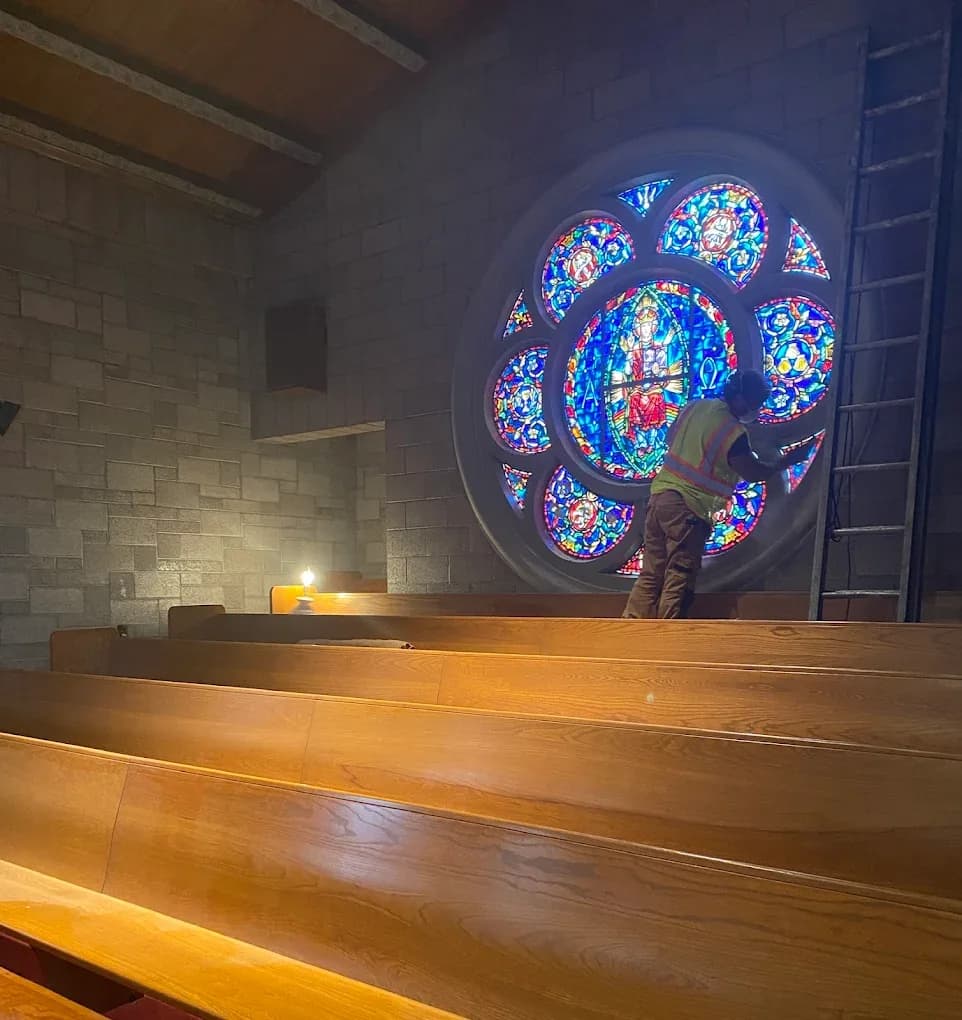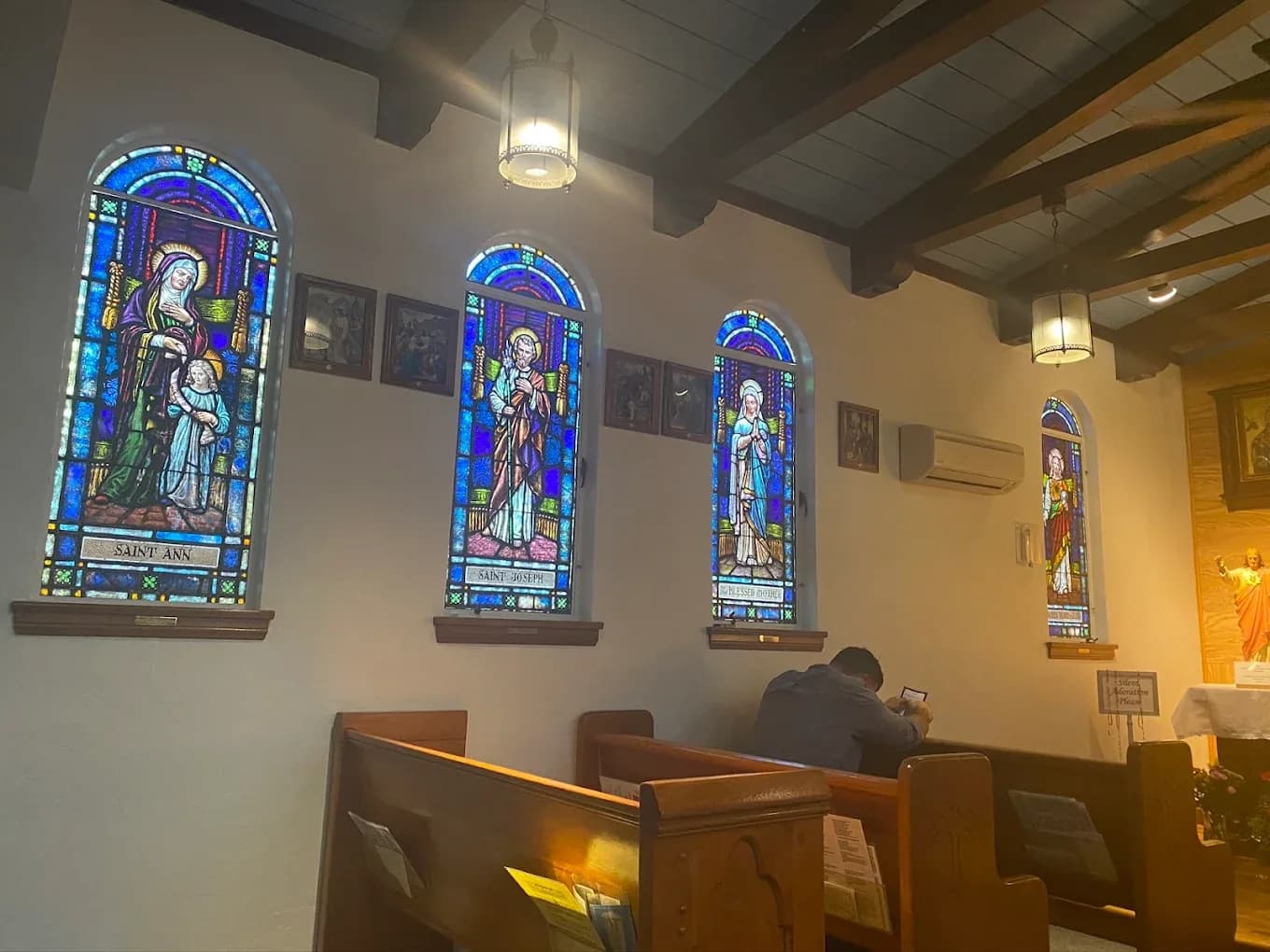

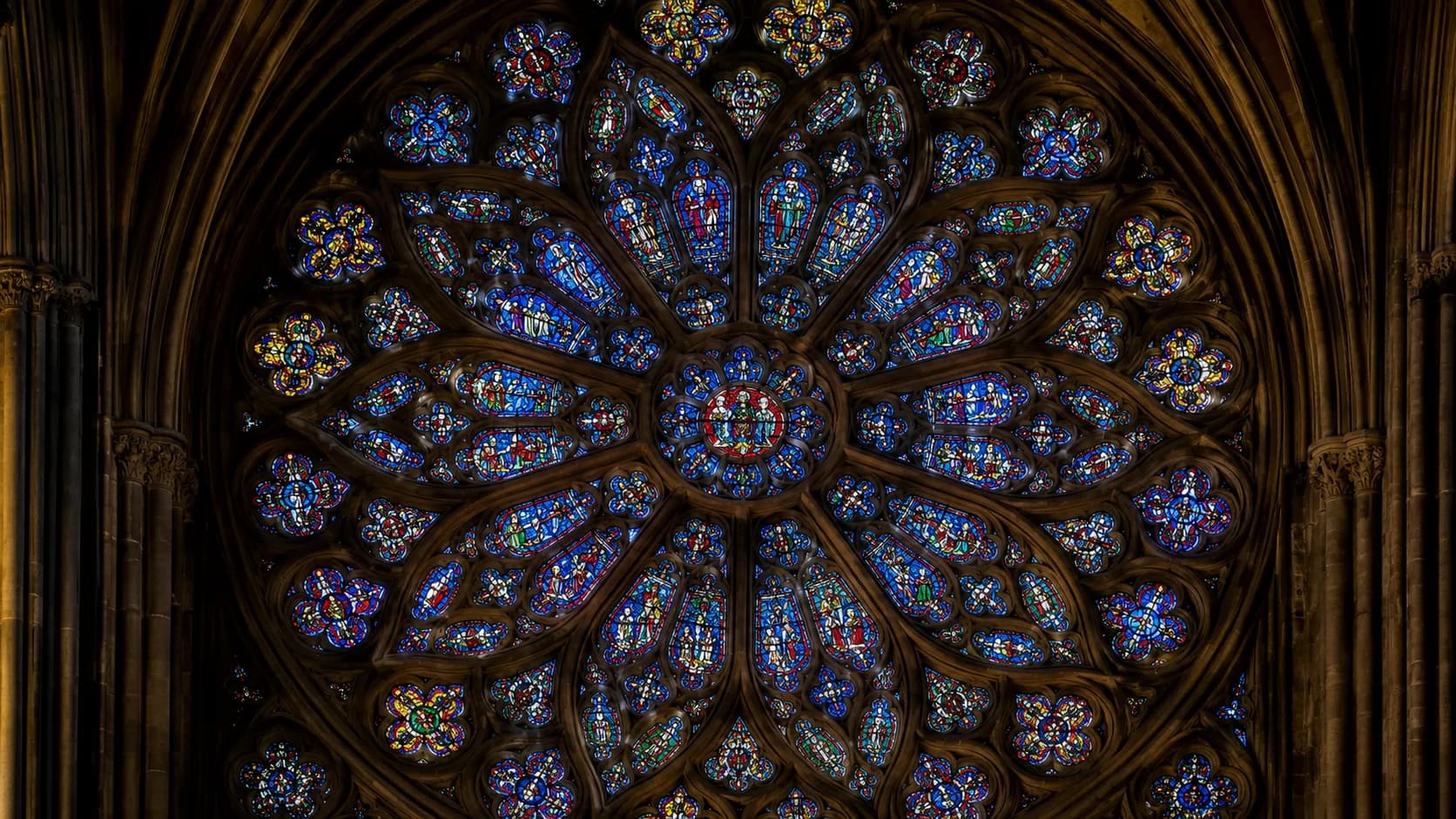
Historic stained glass is more than decoration. It may carry craftsmanship, religious memory, donor history, artistic style and evidence of the building’s original design. Preservation decisions should protect both the physical window and the information it contains.
Retain original material whenever practical
The first preservation principle is simple: do not replace what can responsibly remain. Original glass, painted details, lead profiles, borders and layout patterns may all contribute to significance.
Replacement may still be necessary for missing, unstable or irreparably damaged material, but it should be limited and documented.
- Identify original glass
- Preserve painted and fired details
- Retain fragments when possible
- Match replacements carefully
- Document why replacement is necessary
Understand the whole assembly
A historic stained glass window includes more than the colored glass. Support bars, ties, frames, safety glass systems and surrounding building conditions all affect preservation decisions.
A panel may be artistically significant but physically vulnerable because of failing support or water entry. Treating only the decorative surface can leave the actual risk unresolved.
- Lead came or foil network
- Solder joints and support ties
- Wood, metal or stone frame
- Exterior protection
- Waterproofing and drainage
Avoid irreversible shortcuts
Some quick fixes can make future preservation harder. Random sealants, inappropriate adhesives, heavy surface coatings or aggressive cleaning may alter historic material and conceal underlying movement.
When a temporary measure is necessary for safety or weather protection, it should be documented and planned so it does not become a permanent hidden problem.
- Do not cover symptoms without assessment
- Avoid unknown chemicals
- Avoid pressure on bowed panels
- Do not discard fragments
- Avoid permanent changes without documentation
Document before, during and after work
Photographs, labels, scope notes and treatment summaries become part of the building’s preservation record. Future owners and committees benefit from knowing what was done and why.
Documentation is especially important when work is phased, when donors are involved or when a window is relocated to a new architectural setting.
- Condition photographs
- Panel numbering
- Treatment descriptions
- Materials notes
- Future maintenance guidance
Plan preservation as stewardship
The strongest preservation projects connect technical care with long-term stewardship. Instead of waiting for failure, property teams can monitor condition, budget in phases and preserve information for future decision-makers.
This approach can protect irreplaceable stained glass while making decisions easier for boards, committees and families.
- Create an inventory
- Identify priorities
- Schedule condition reviews
- Keep records accessible
- Plan safety glass systems thoughtfully
No. Preservation prioritizes retaining original material, but missing or unstable material may need careful replacement with documentation.
Documentation preserves the project record so future caretakers understand what was observed, what was retained and what work was completed.