
Clients often ask how long stained glass repair will take. The honest answer depends on whether the work is a small on-site repair, a studio repair, full restoration, safety glass installation or a coordinated institutional project. Timeline is shaped by condition and access as much as by size.
Small repairs may be faster, but still need review
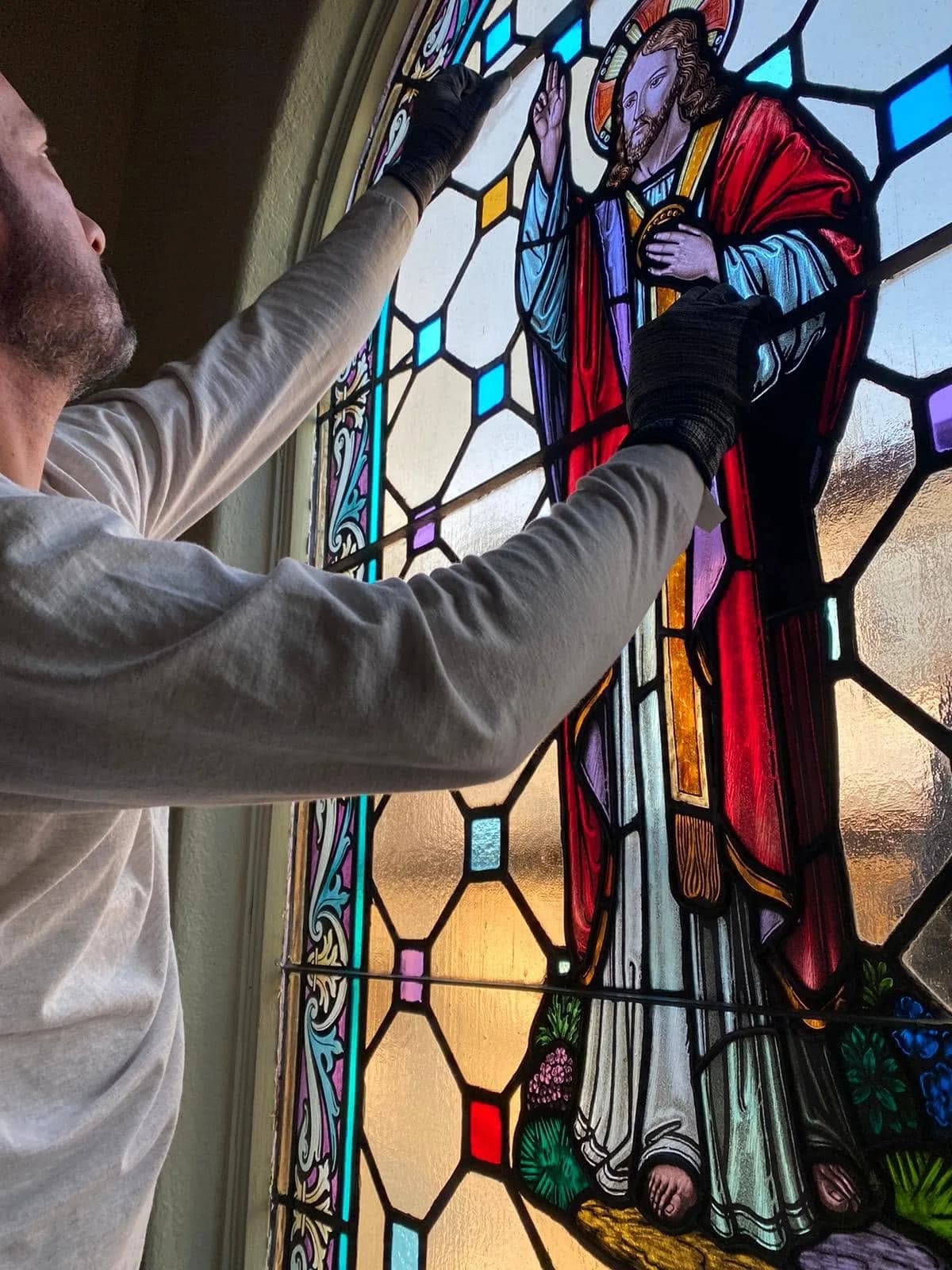
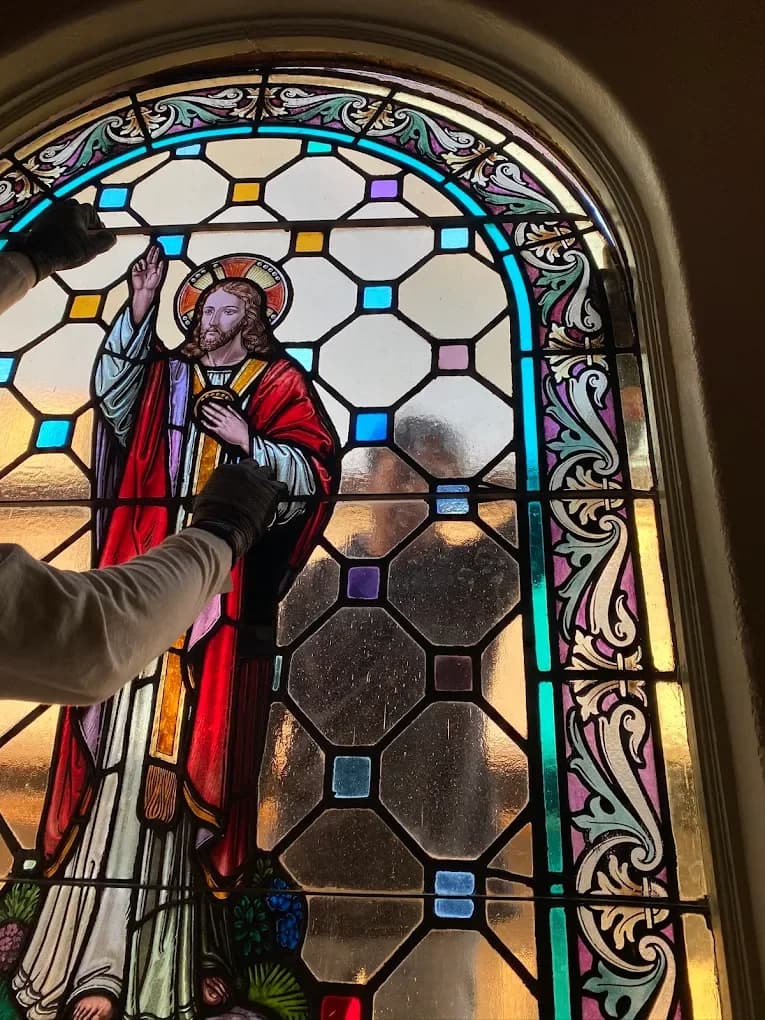
A localized crack or failed joint may be handled more quickly than a full restoration, but the surrounding panel still needs to be checked. If the damage is tied to movement, water entry or failing support, the scope may change.
Photos can help start the conversation, but they may not reveal structural conditions.
- Localized broken piece
- Accessible window
- Stable surrounding panel
- Available compatible glass
Studio work adds necessary steps
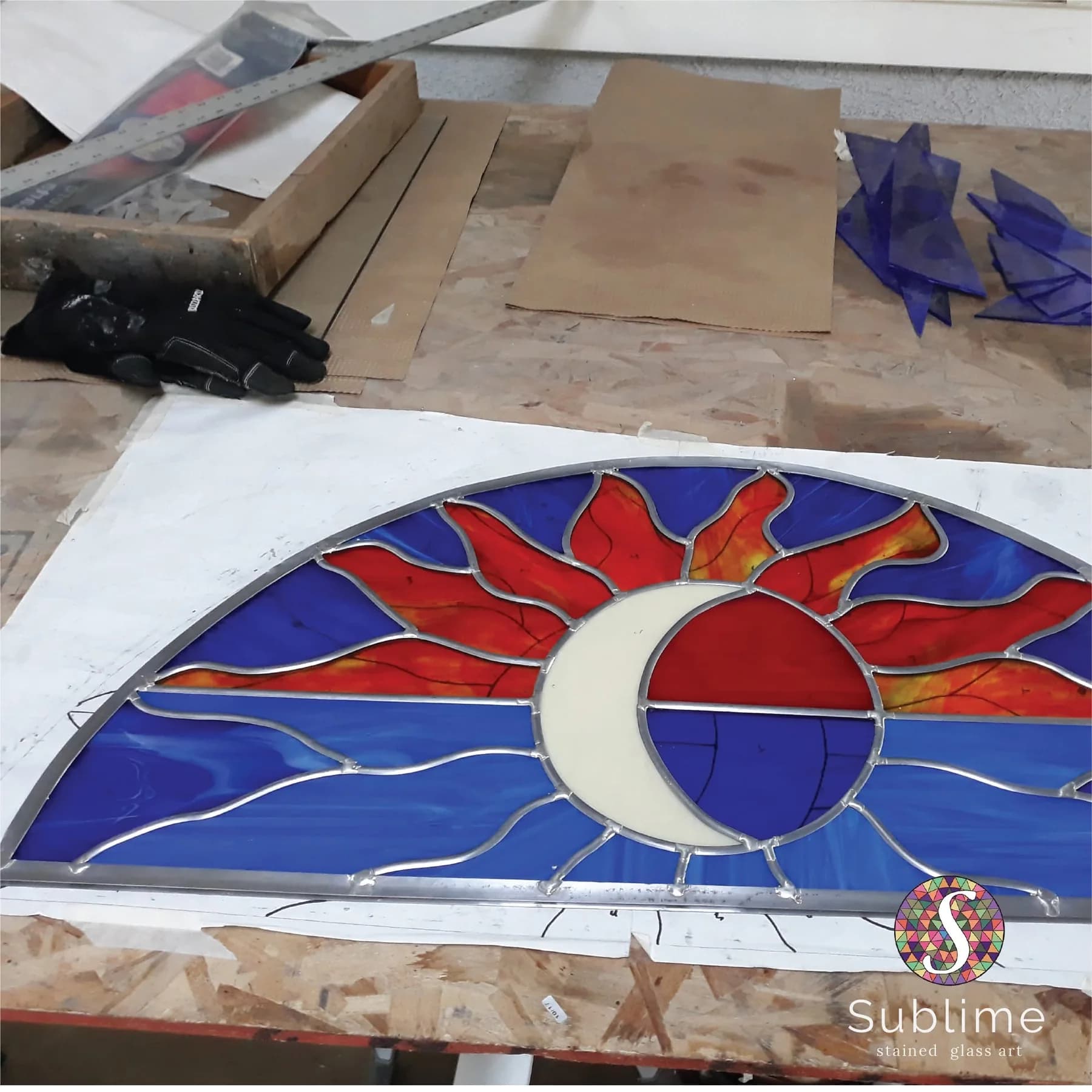
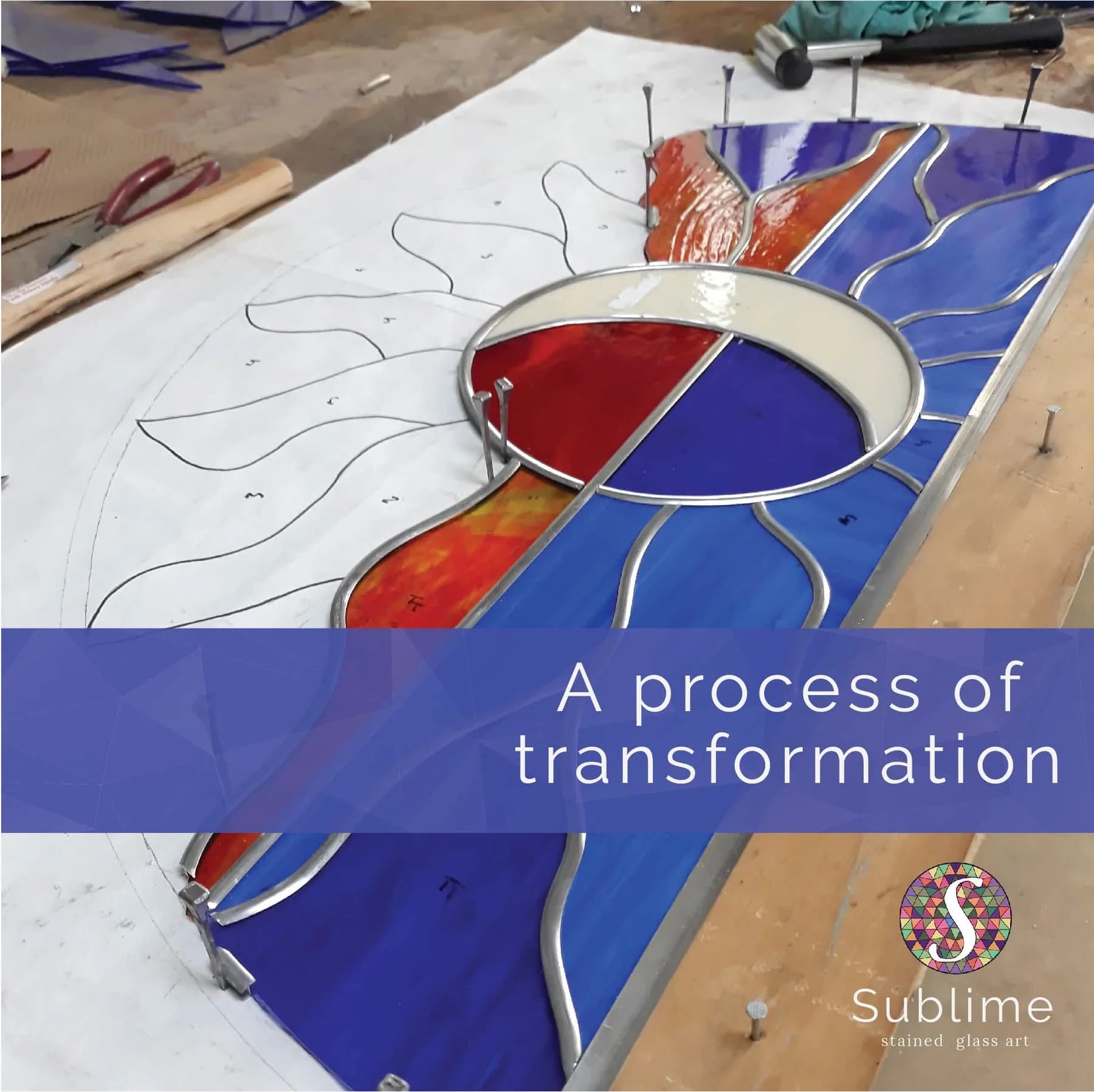
When a panel must be removed, the project includes documentation, removal, transport, bench work, curing or finishing time, return transport and reinstallation. These steps protect the panel and the project record.
Rushing removal or reinstallation can create damage that careful planning would have avoided.
- Panel labeling
- Safe removal
- Transport protection
- Bench repair or restoration
- Reinstallation and final review
Glass matching can affect timing
Historic and textured glass may not be immediately available. Matching color, texture, translucency and painted details can require additional sourcing or design decisions.
When exact matching is not possible, the goal is a visually respectful solution agreed upon before fabrication or repair proceeds.
- Color availability
- Texture and opacity
- Painted or fired details
- Approval of substitute options
Institutional projects require coordination
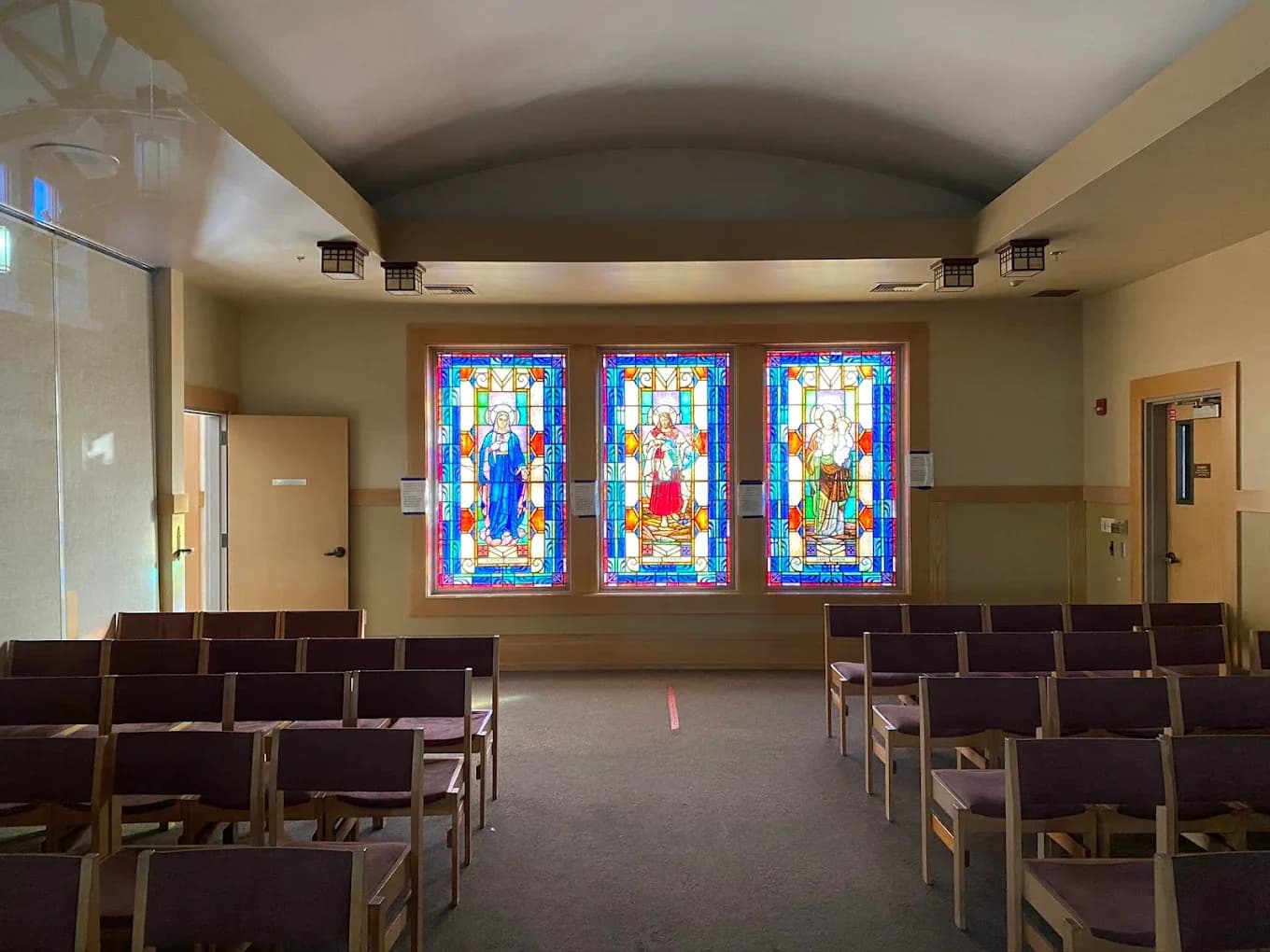
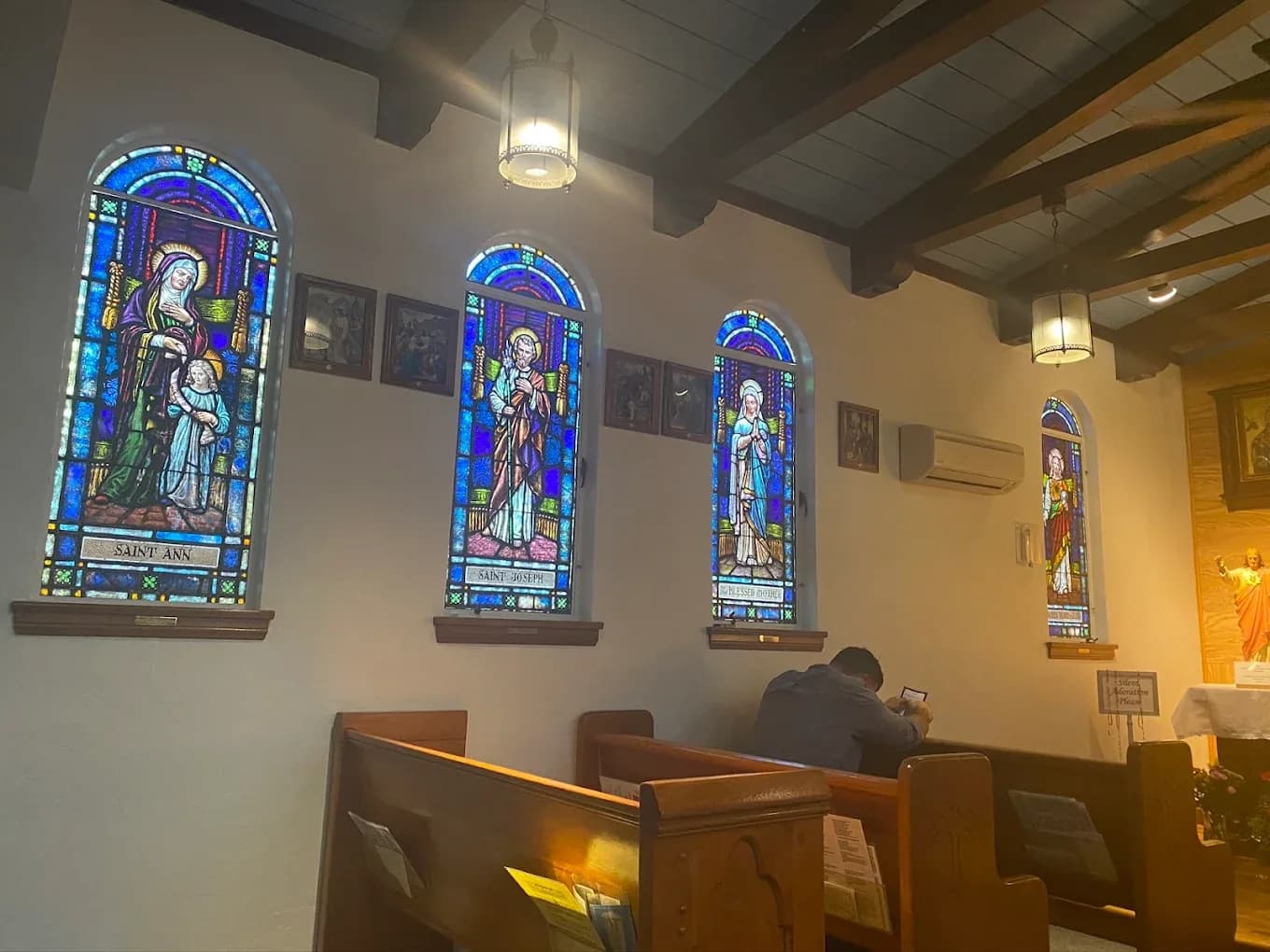
Churches, memorial properties and commercial buildings may need scheduling around services, visitors, security, access equipment, board approval or other trades.
A phased schedule can keep the building functioning while addressing the most urgent stained glass needs first.
- Access equipment
- Building hours
- Interior protection
- Committee review
- Coordination with contractors
How to get a clearer timeline
Provide photographs, dimensions, city, access notes and the reason for the request. If a deadline exists, state it early. A clear initial package helps determine whether the timeline is realistic.
A responsible schedule should include assumptions and explain which conditions could extend the project.
- Full-window photos
- Close-ups
- Approximate measurements
- Access constraints
- Desired completion date
Some localized repairs may be completed on site, but studio work, access issues or broader deterioration can require additional time.
Restoration may involve documentation, removal, cleaning, releading, repair, reinforcement, finishing, transport and reinstallation.