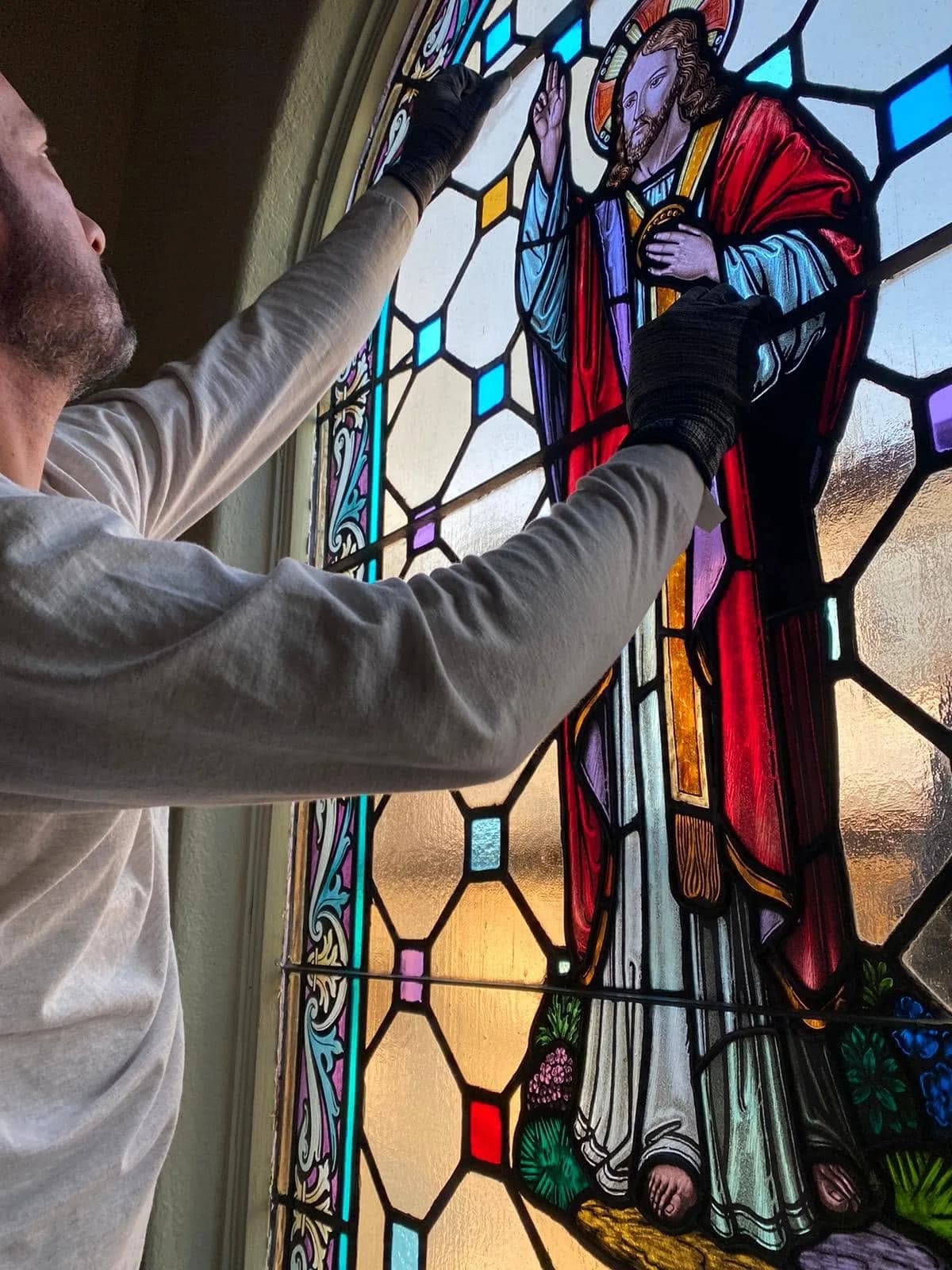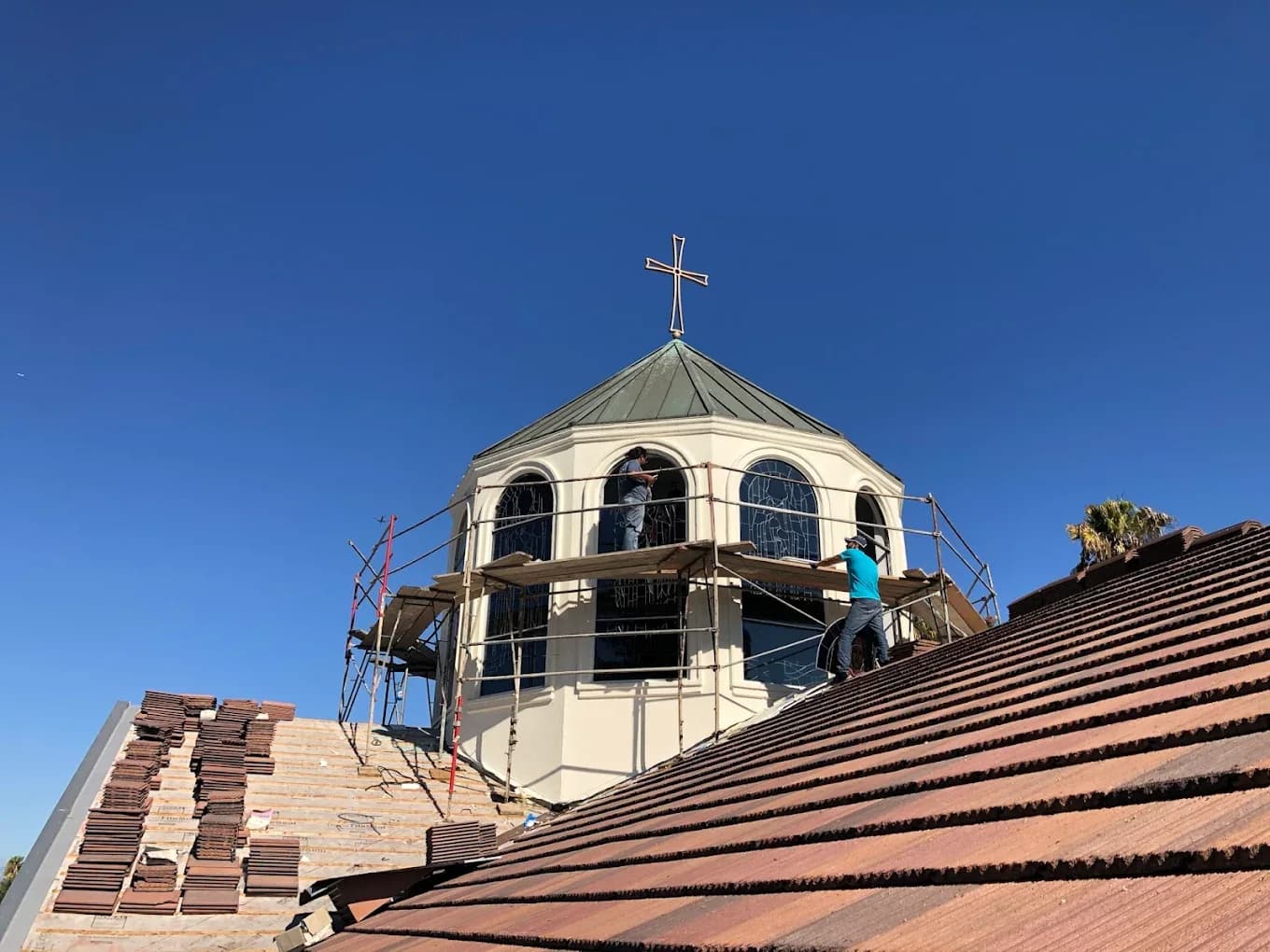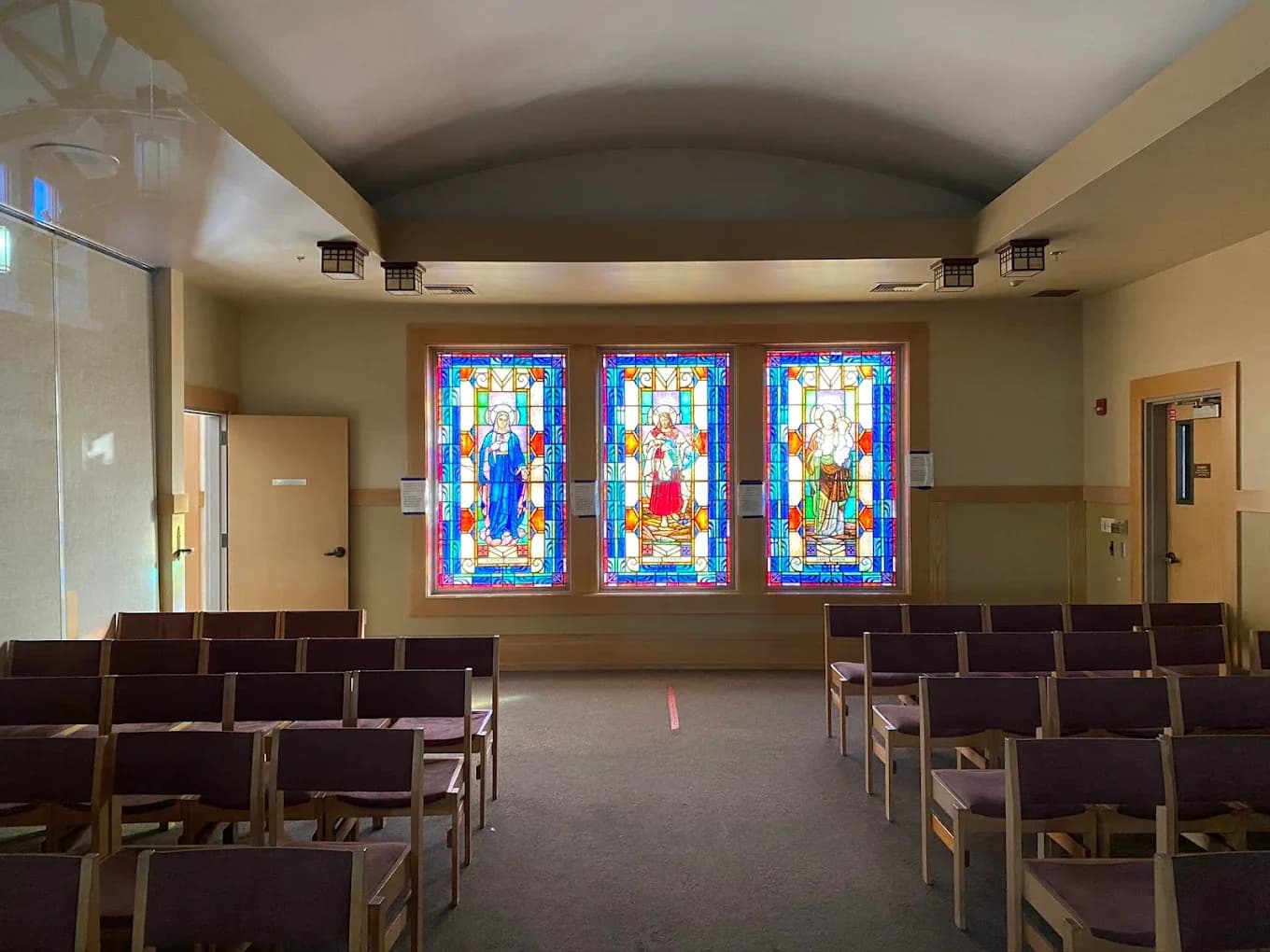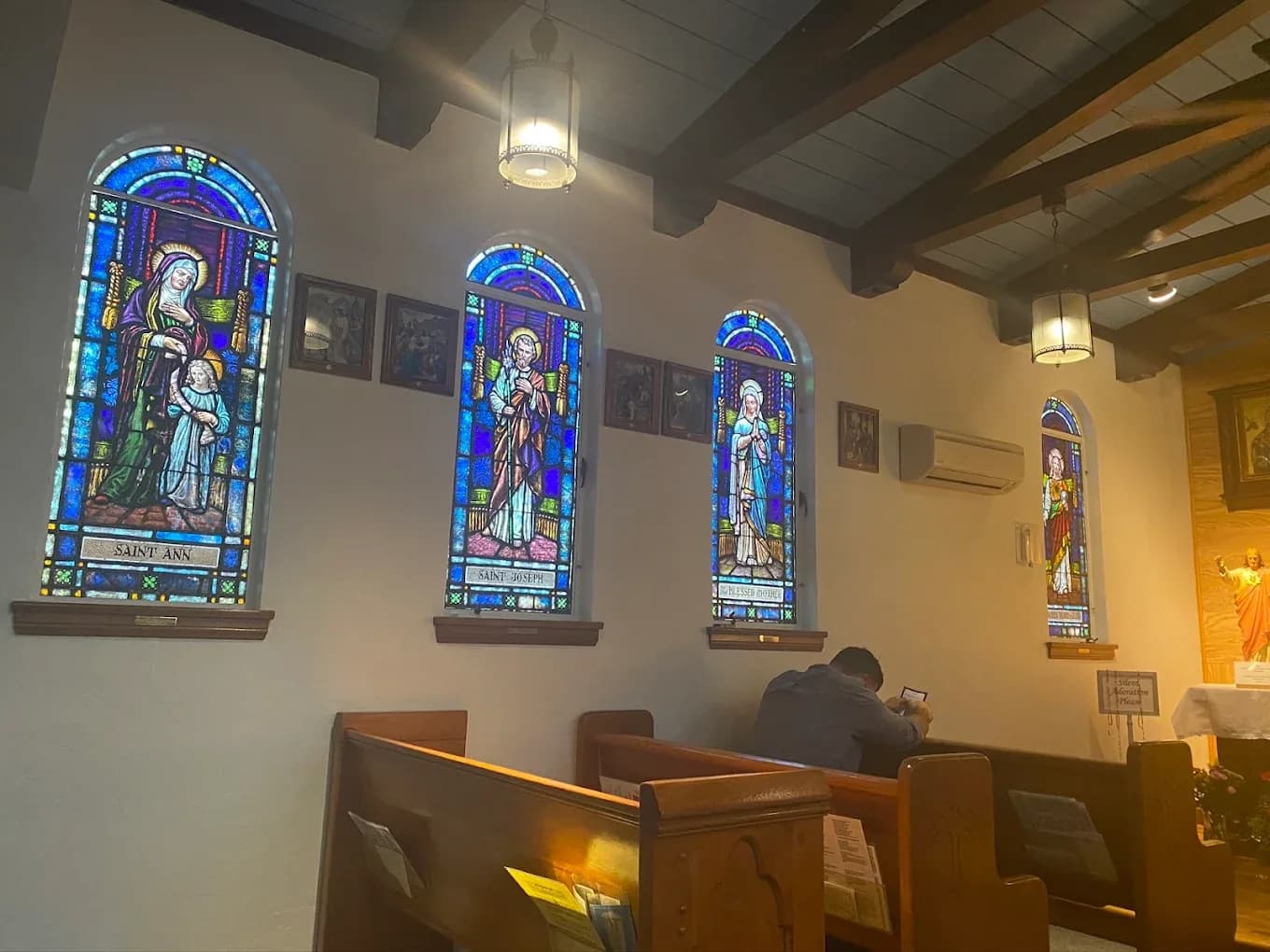

A cracked piece does not automatically mean an entire window must be rebuilt. At the same time, repeated small repairs can hide a panel whose lead network has reached the end of its useful service. The correct decision depends on the relationship between the visible damage and the condition of the complete assembly.
When a targeted repair may be appropriate
Localized repair is often considered when damage is limited and the surrounding lead, solder, supports and frame remain stable. A broken piece, isolated failed joint or small perimeter problem may be addressed without disturbing sound original material.
The assessment still needs to look beyond the obvious break. Movement, water entry and previous repairs can change the recommendation even when the damaged area appears small from the floor.
- One or a few damaged pieces
- Stable surrounding lead
- No significant bowing
- Accessible repair area
When full restoration becomes more likely
Widespread lead fatigue, repeated solder failure, bulging panels, loose cement and recurring leaks suggest that isolated repairs may not address the underlying condition. In those cases, restoration may involve removal, documentation, cleaning, glass repair, releading, reinforcement and reinstallation.
Restoration does not mean discarding the original window. A responsible treatment retains serviceable original glass and replaces only material that is missing or beyond practical repair.
What to document before requesting an assessment
Photograph the complete window, the damaged area, the frame and any exterior protection. Note movement, rattling, water, recent impact and whether the condition has changed. Approximate dimensions and access information also help establish the next step.
- Full-window photograph
- Close-ups from several angles
- Approximate width and height
- Project city and property type
- Brief history of the concern