
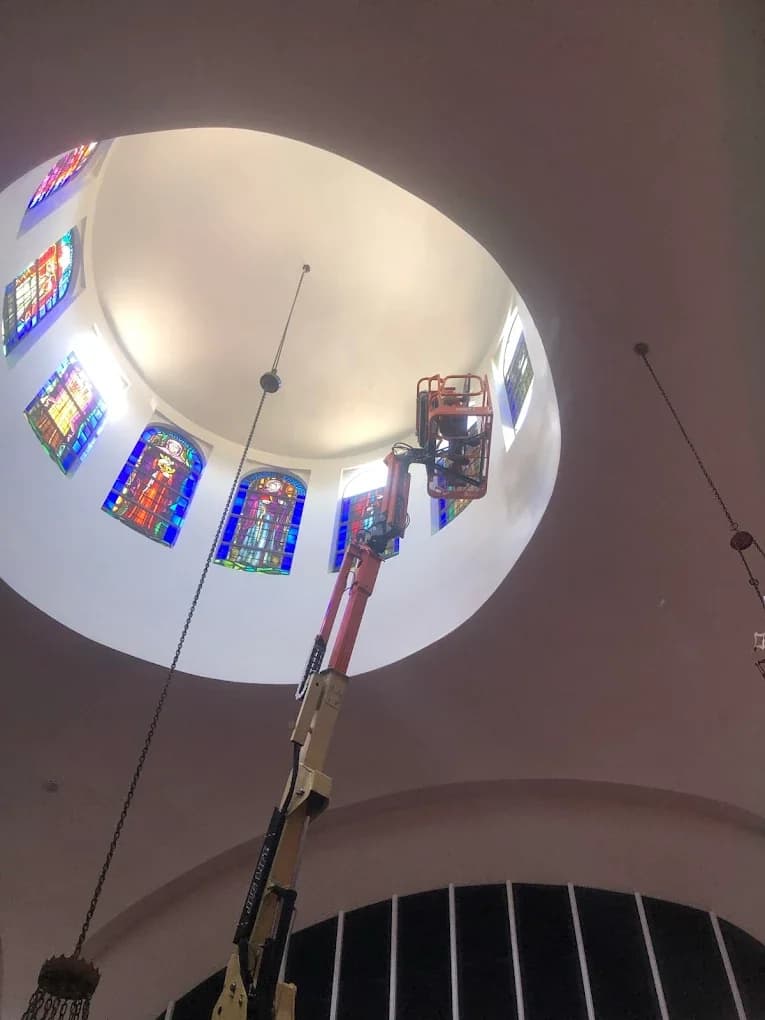
Stained glass can look durable from a distance, but the materials that hold it together may be sensitive to pressure, moisture and chemicals. Cleaning should improve visibility and preserve the window, not create new movement or remove important surface detail.
Mistake one: treating stained glass like regular window glass
Ordinary window cleaning methods often assume a single flat sheet of modern glass. Stained glass has many small pieces, lead lines, solder joints, cement, painted details and sometimes fragile historic surfaces.
A cloth, brush or scraper that is safe for modern glass may be inappropriate for a window with loose lead, unstable paint or previous repairs.
- Do not scrape painted or fired details
- Do not press on bowed panels
- Do not flood joints with liquid
- Do not use unknown chemicals on historic surfaces
Mistake two: using too much water
Excess moisture can travel into lead channels, surrounding frames, sills and wall materials. If the window already has failed cement or perimeter gaps, water may worsen hidden deterioration.
Cleaning should be controlled and condition-based. The first question is whether the window is stable enough to clean at all.
- Avoid soaking the panel
- Watch for damp sills
- Check for water entry after cleaning
- Use minimal moisture when appropriate
Mistake three: ignoring the support system
A stained glass window can be visually dirty and structurally weak at the same time. Cleaning may reveal cracks, loose ties, failed solder and panel movement that require a different scope.
A maintenance visit should document those findings rather than only polishing the surface.
- Lead came condition
- Support bars and ties
- Frame and perimeter gaps
- Exterior safety glass installation condition
Mistake four: cleaning before documenting
Before cleaning, take photographs. Documentation helps show the original condition, identify areas that need monitoring and communicate with committees or property managers.
After cleaning, take the same views again. This creates a useful record and helps distinguish dirt from deterioration.
- Full-window views
- Close-ups of damage
- Exterior side when safe
- Before and after records
When professional maintenance is the safer option
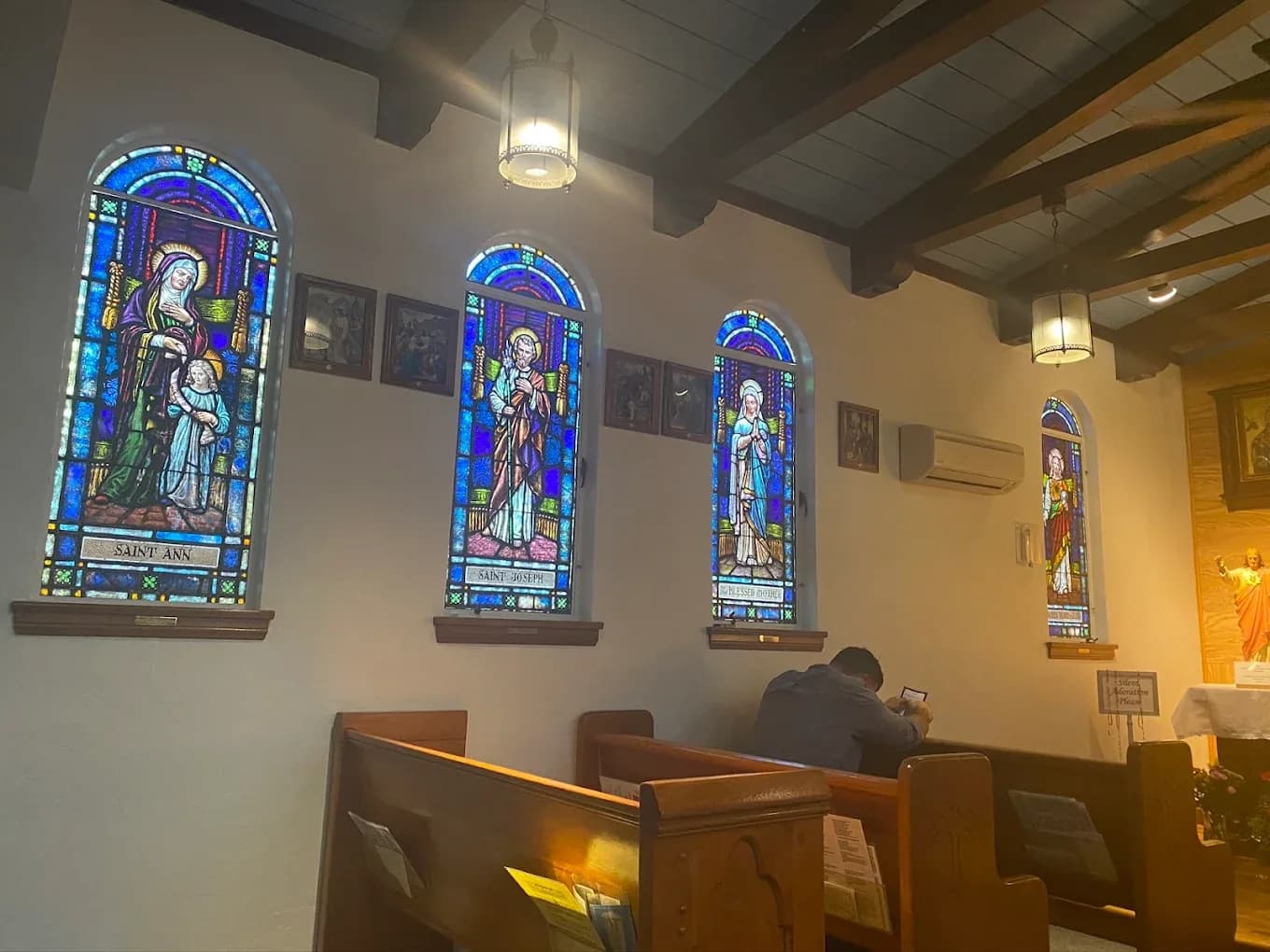
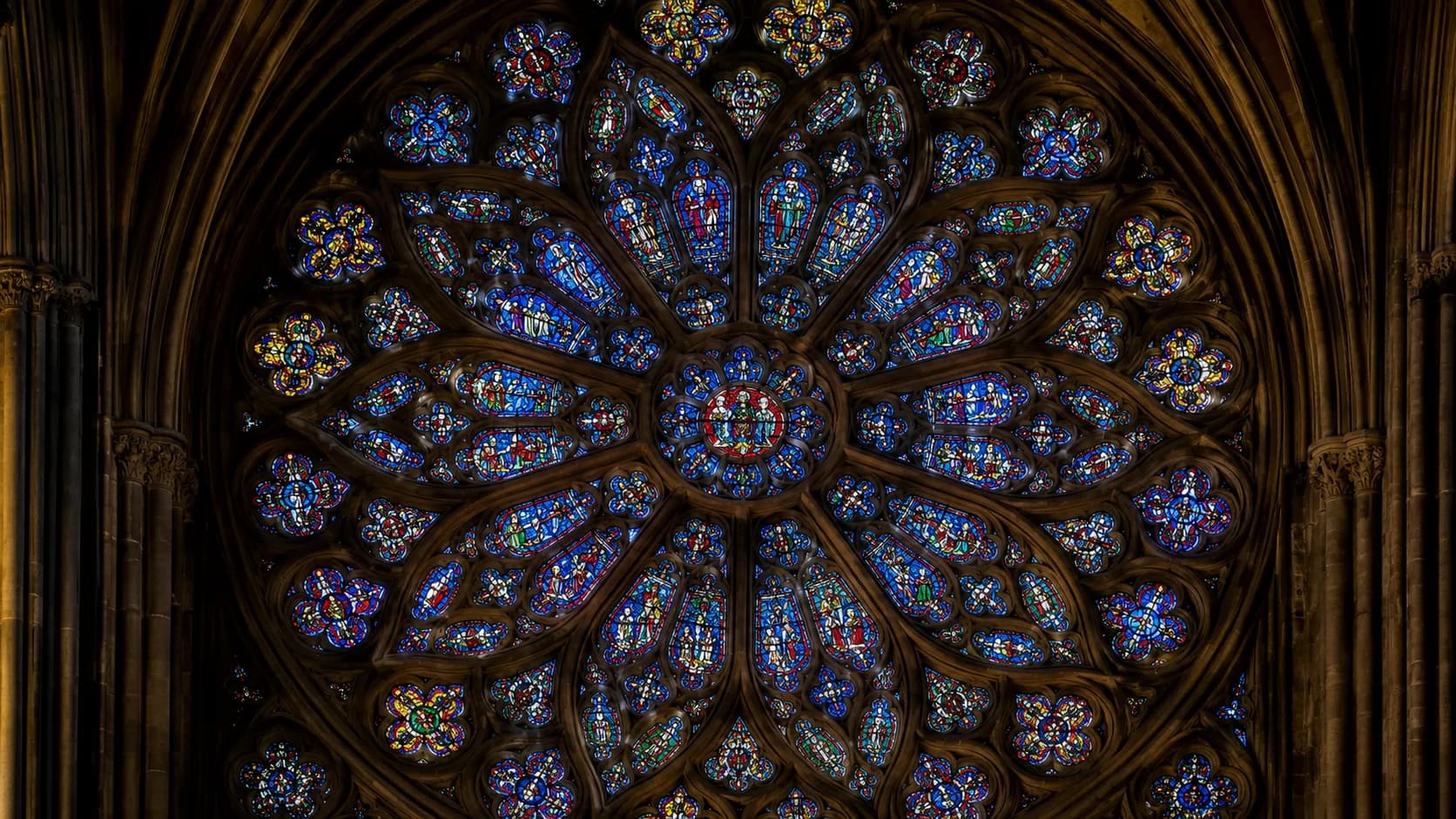
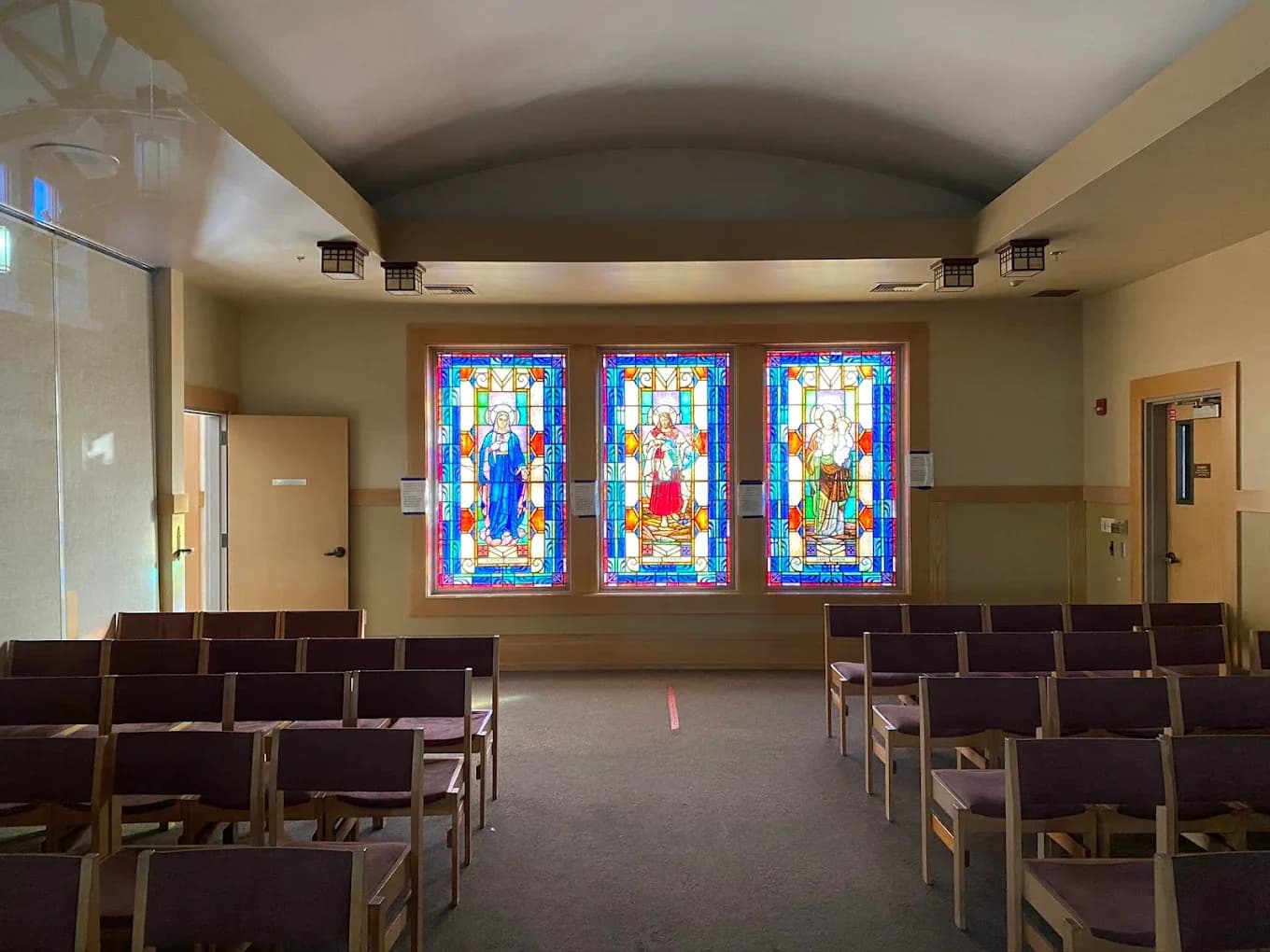
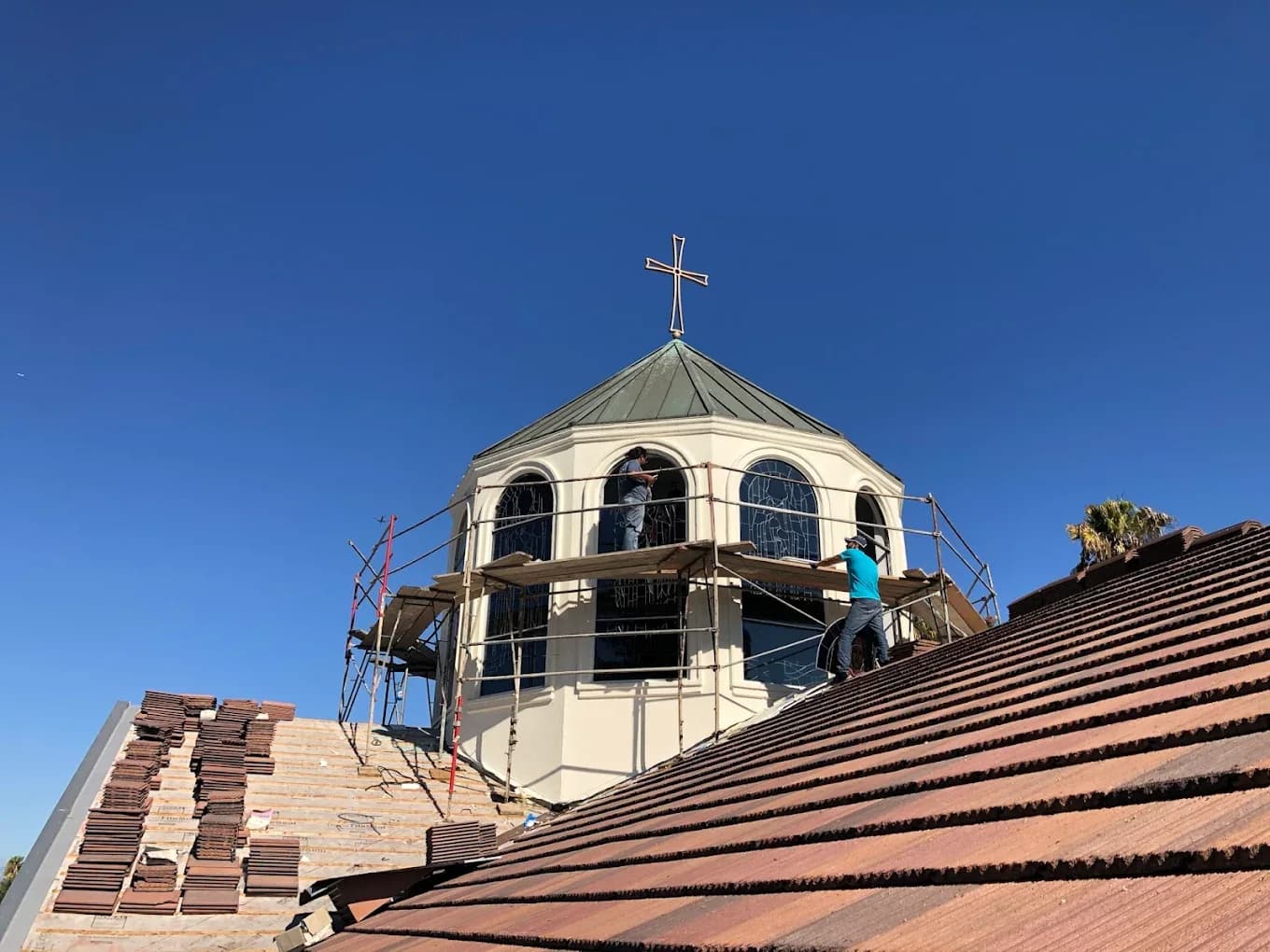
Professional maintenance is especially important for large church windows, high openings, memorial windows, historic glass, painted figures, safety glass installation systems and panels that already show movement.
The safest cleaning method is the one chosen after reviewing the window’s age, condition, surface detail and access.
- High or difficult access
- Bowing or loose panels
- Painted details
- Valuable historic or religious windows
- Existing leaks or condensation
Pressure washing is not appropriate for delicate stained glass panels. It can force water into joints, damage surfaces and worsen structural problems.
Photograph the full window, close-ups of cracks or movement, the frame, sill and any exterior protection before work begins.