
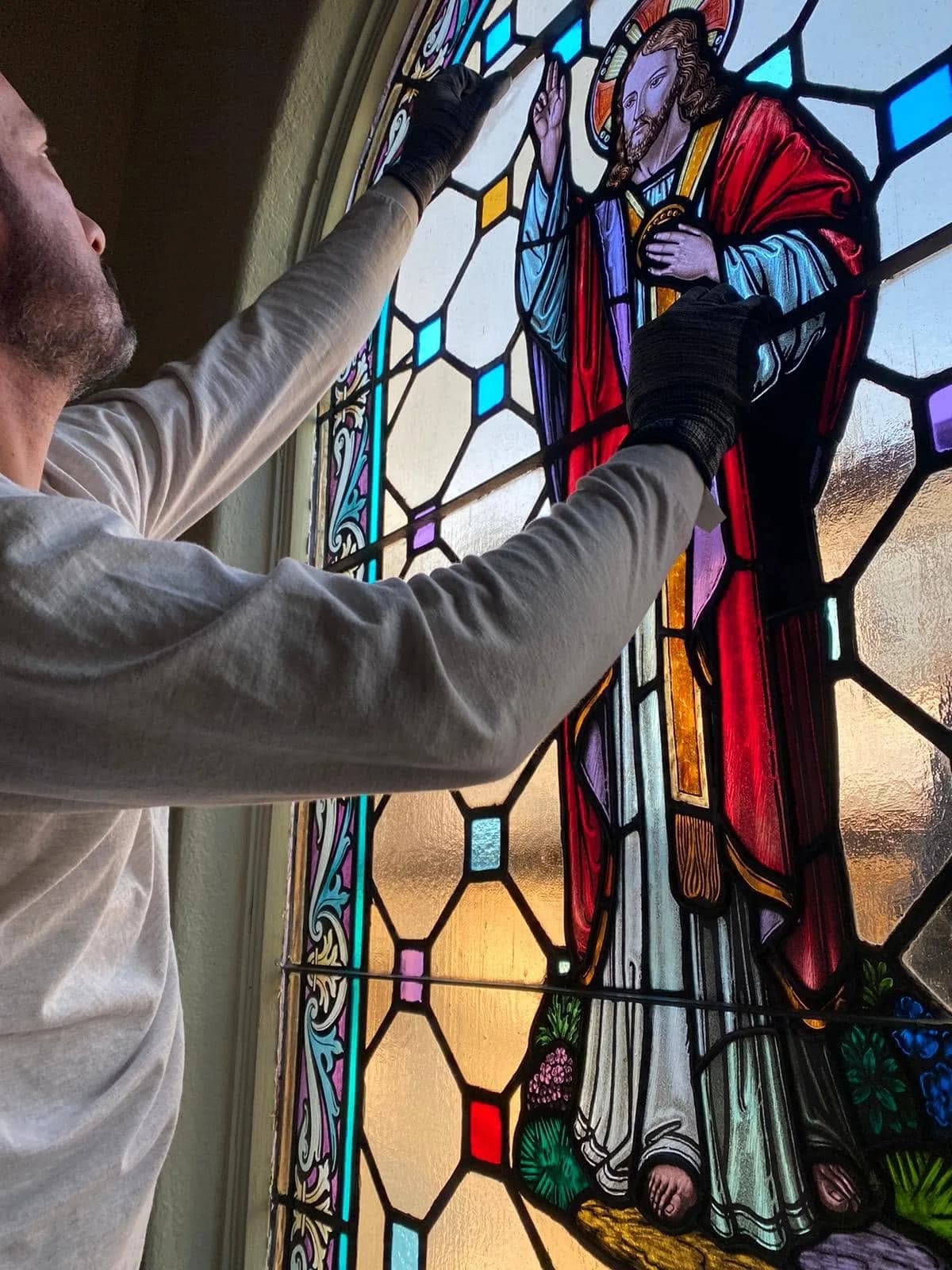
After a stained glass window is damaged, the quality of documentation can affect communication, repair planning and insurance discussions. Good documentation does not need to be complicated, but it should be complete, organized and created before temporary measures hide important evidence.
Photograph from wide to close
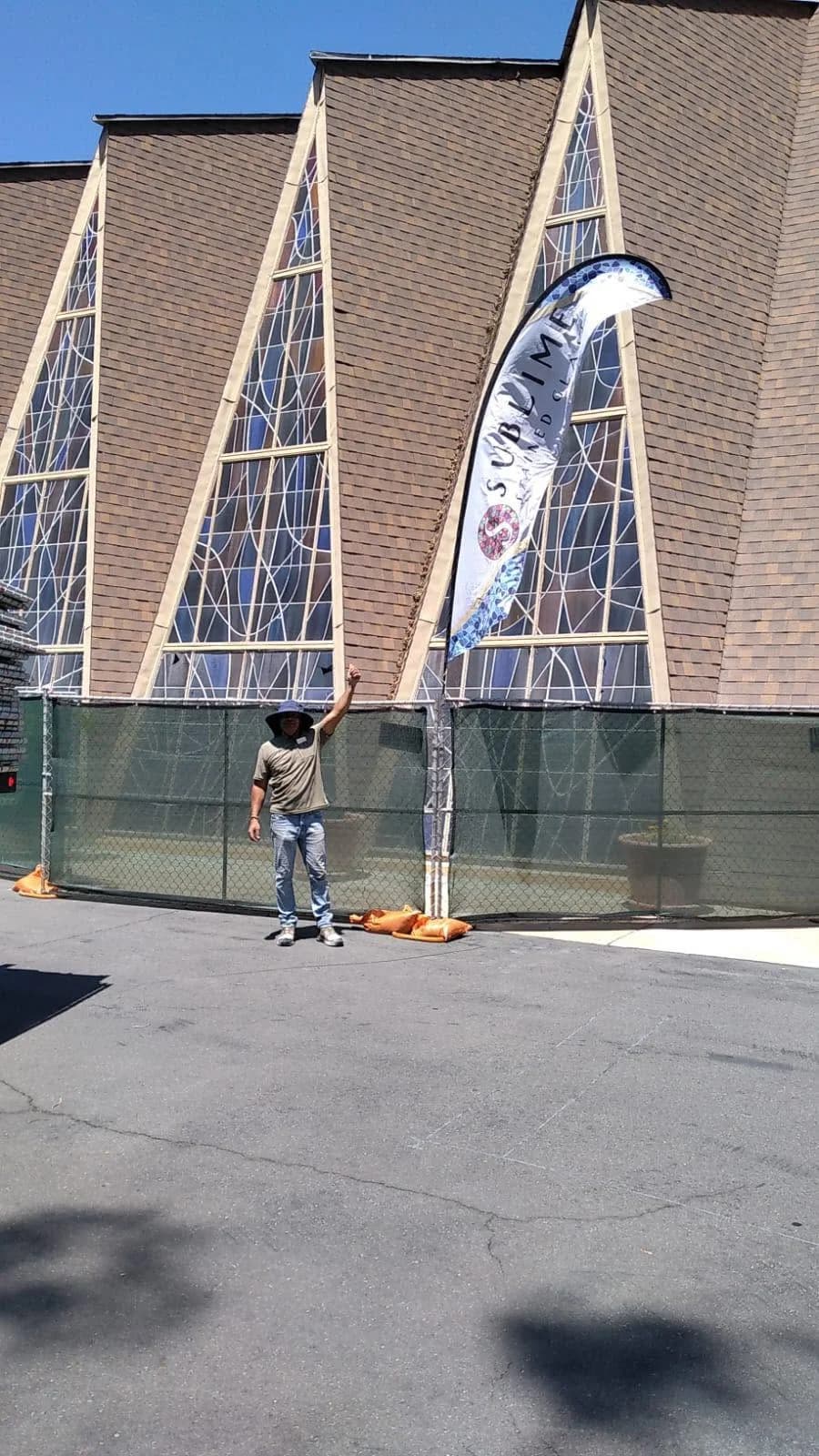
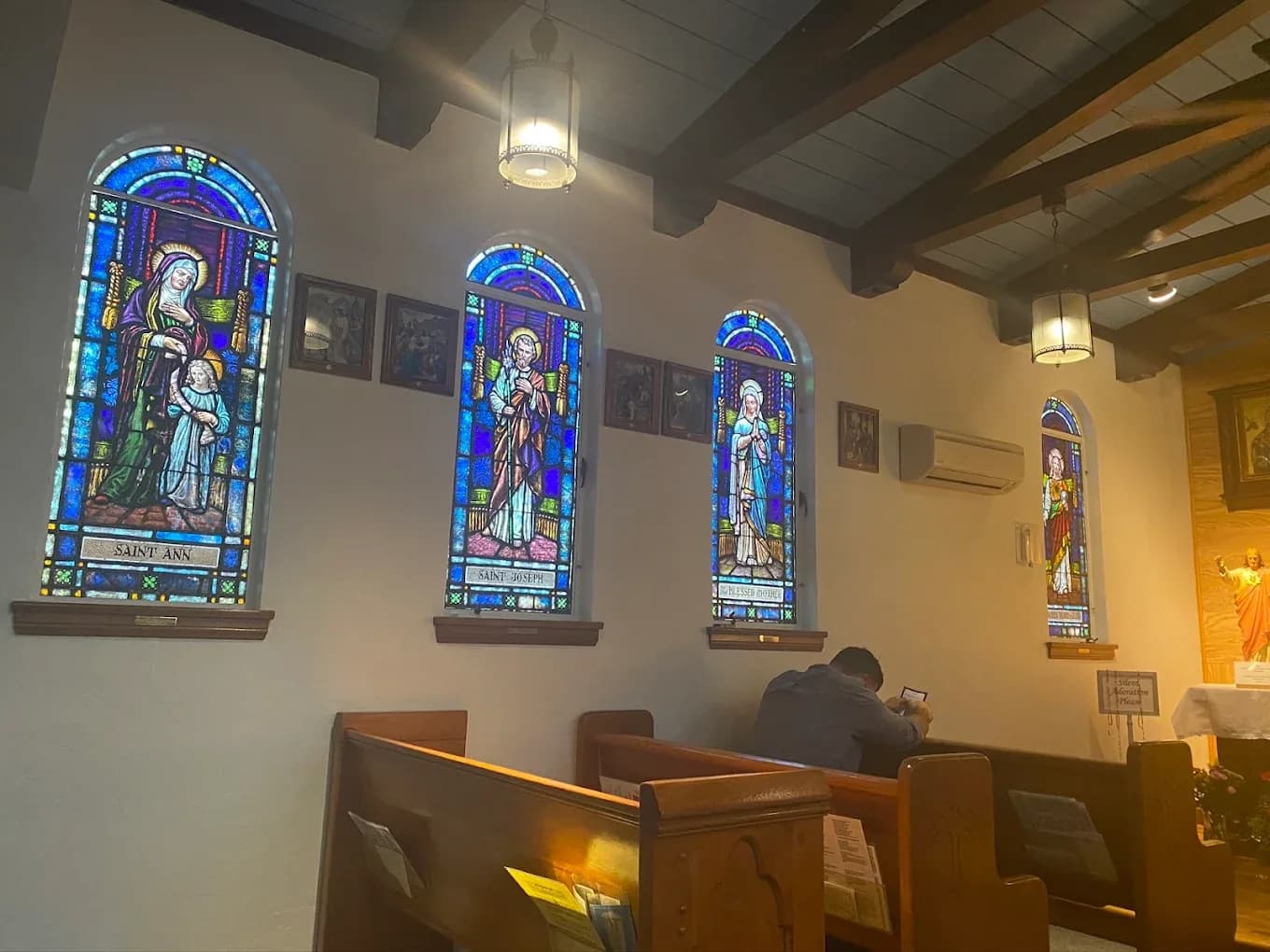
Start with the entire building side or room so the window location is clear. Then photograph the complete window, the damaged area, the surrounding frame, the floor or sill and any exterior cover.
Close-ups are important, but without wide views the reviewer may not understand scale, access or location.
- Building or room context
- Full-window view
- Damage close-ups
- Frame and sill
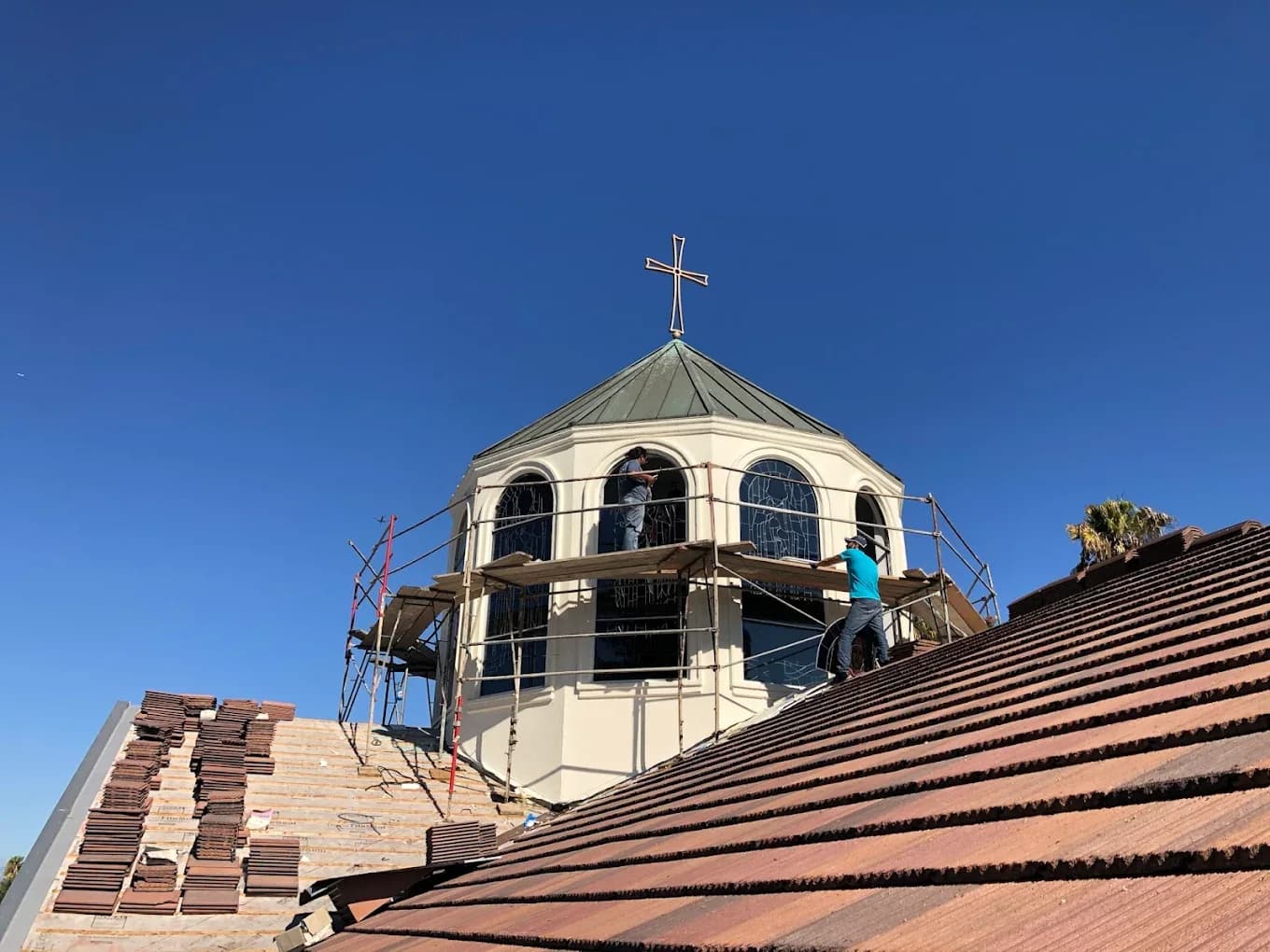
- Exterior side and safety glass installation
Preserve fragments safely
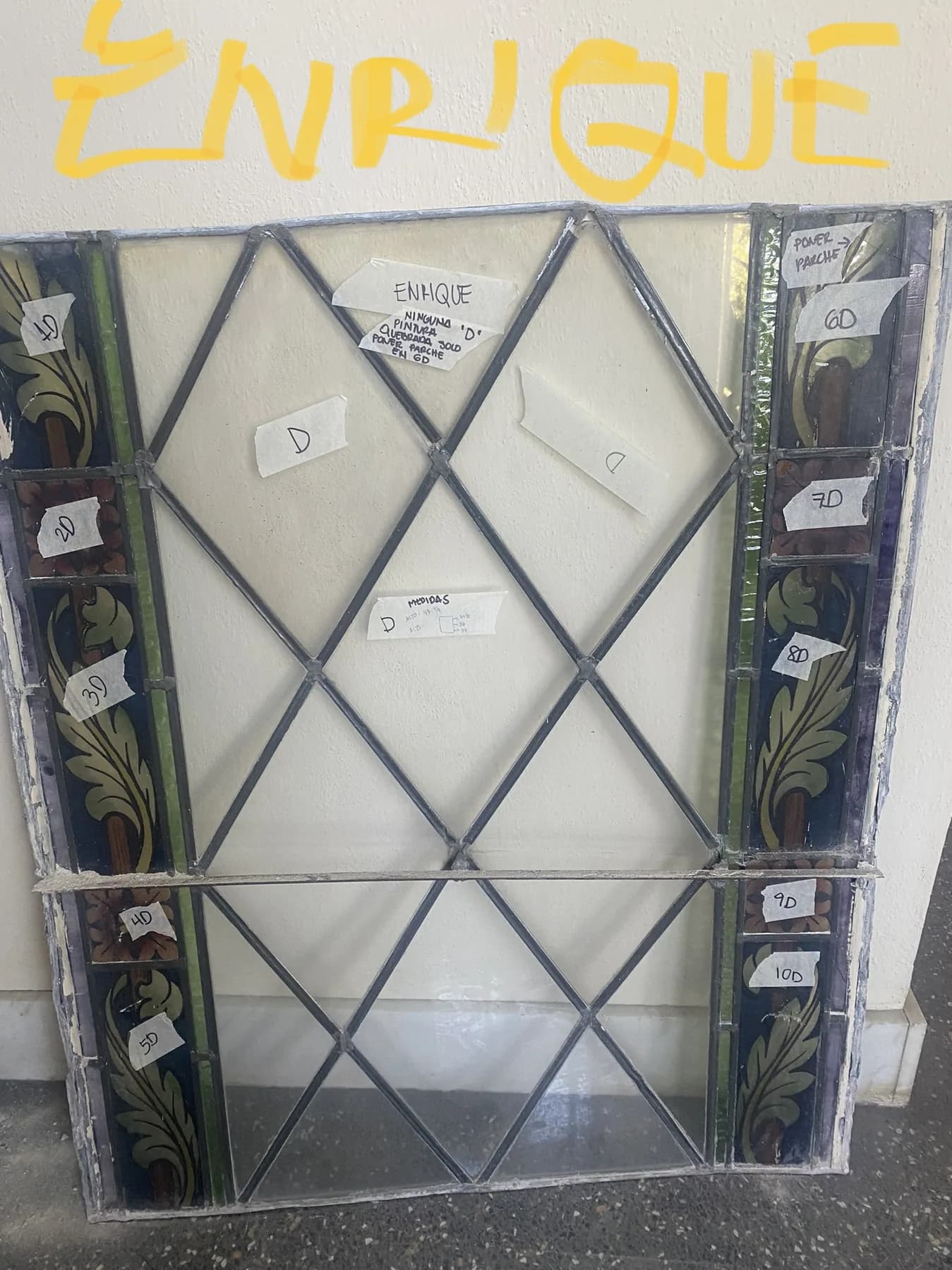
Broken pieces may contain color, texture or painted details that are important for matching and restoration. If fragments can be collected safely, place them in a clean container and label the location.
Do not risk injury or disturb unstable glass. Safety is more important than retrieving every piece.
- Use gloves if safe and appropriate
- Label containers
- Keep fragments dry
- Do not scrape or clean fragments unnecessarily
- Photograph fragments before moving them if possible
Record what happened and when
Write down the date, time, known cause, weather conditions, witness notes and any temporary protection added. If water is involved, note whether it appears after rain, cleaning or temperature changes.
This timeline helps separate impact damage from pre-existing deterioration.
- Date and time noticed
- Known event or suspected cause
- Weather conditions
- Temporary measures
- Previous repairs or known concerns
Avoid hiding conditions before review
Temporary boarding or weather protection may be needed, but avoid pressing material against the stained glass or sealing areas in a way that traps moisture. If emergency work is required, document conditions first when safe.
Random adhesives and sealants can complicate future repair and may conceal how the damage occurred.
- Do not press on bowed panels
- Do not pull loose lead
- Do not discard fragments
- Do not apply permanent sealants without review
Share documentation in an organized way
When contacting a stained glass specialist, include the property city, building type, approximate dimensions, photographs and a short summary. Organized information helps determine whether the next step is emergency stabilization, repair, restoration or an on-site assessment.
For institutions, keep a copy of the final documentation in the facility or property file.
- Photo folder by window
- Short damage summary
- Approximate dimensions
- Access notes
- Insurance or property reference number if applicable
No. If they can be collected safely, fragments may help with matching, repair decisions and documentation.
Include wide context, the full window, close-ups, frame, sill, exterior side and any fallen fragments.