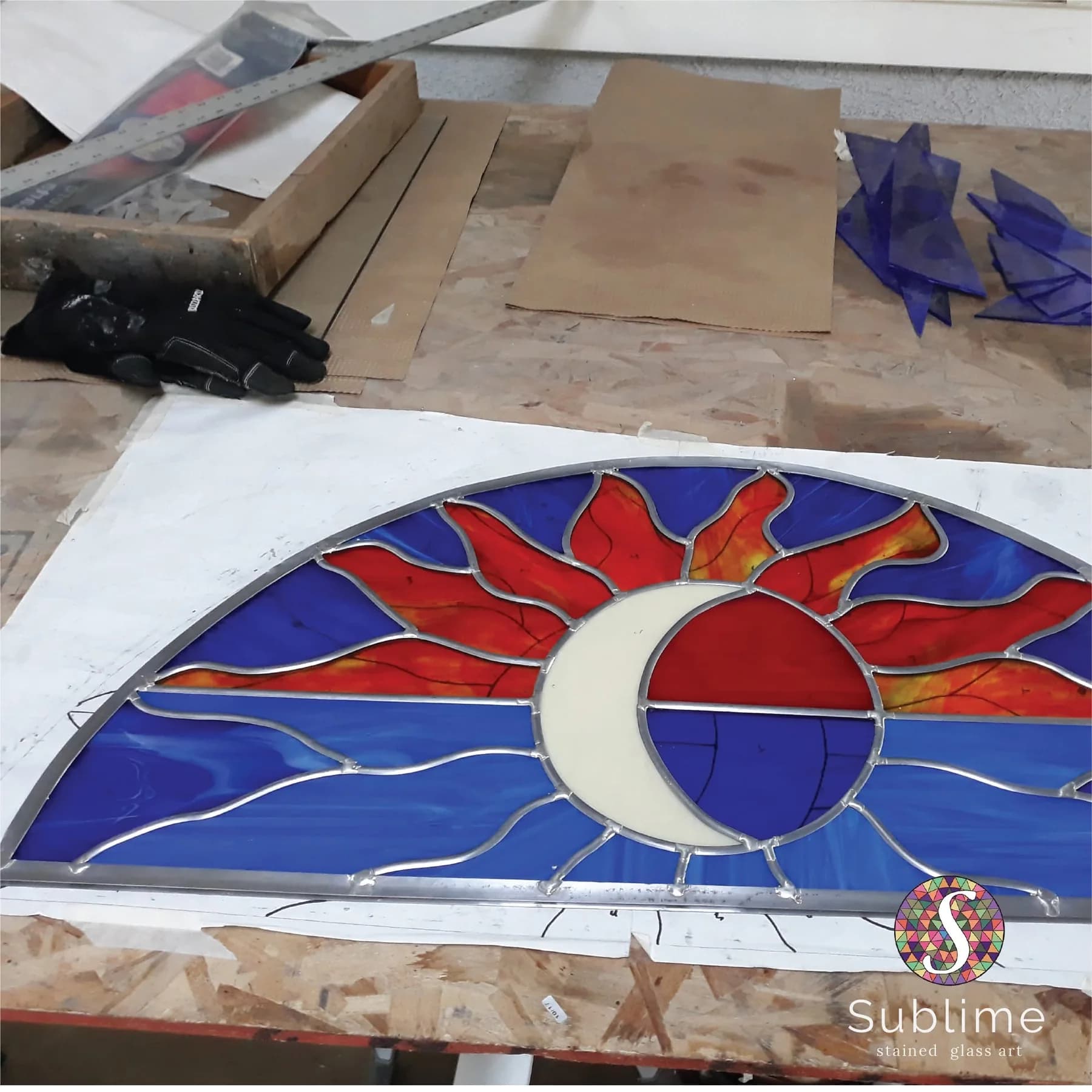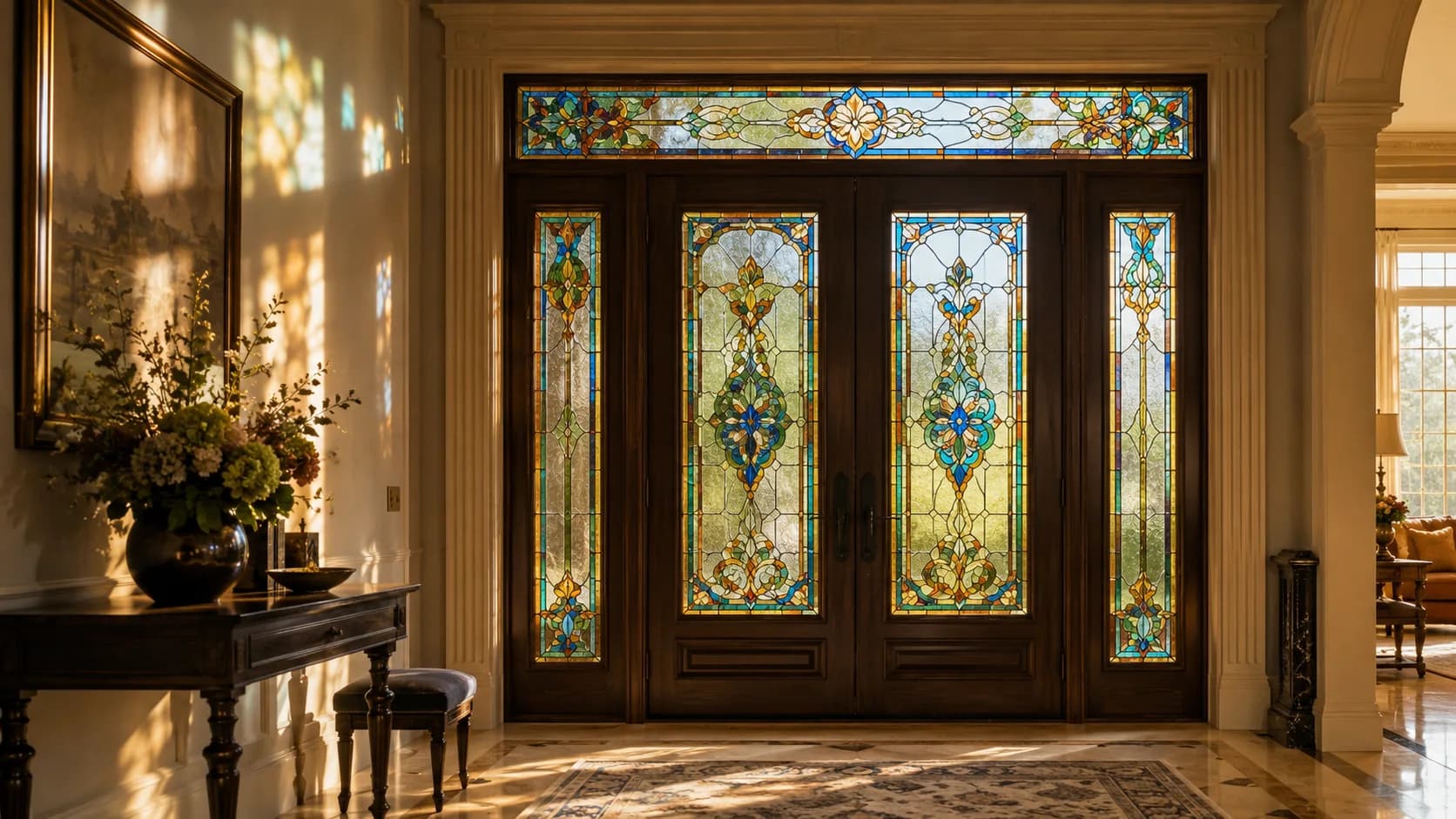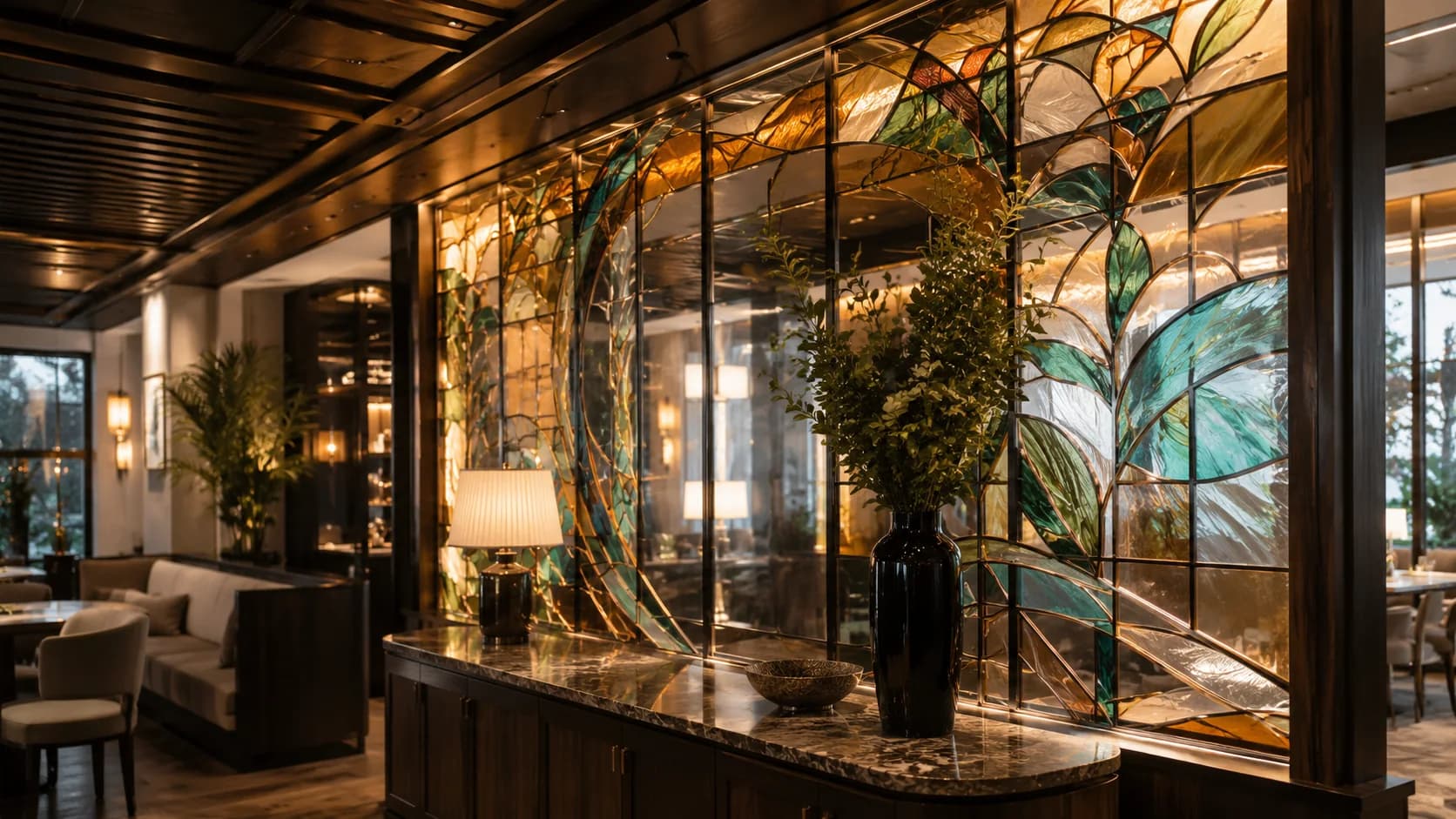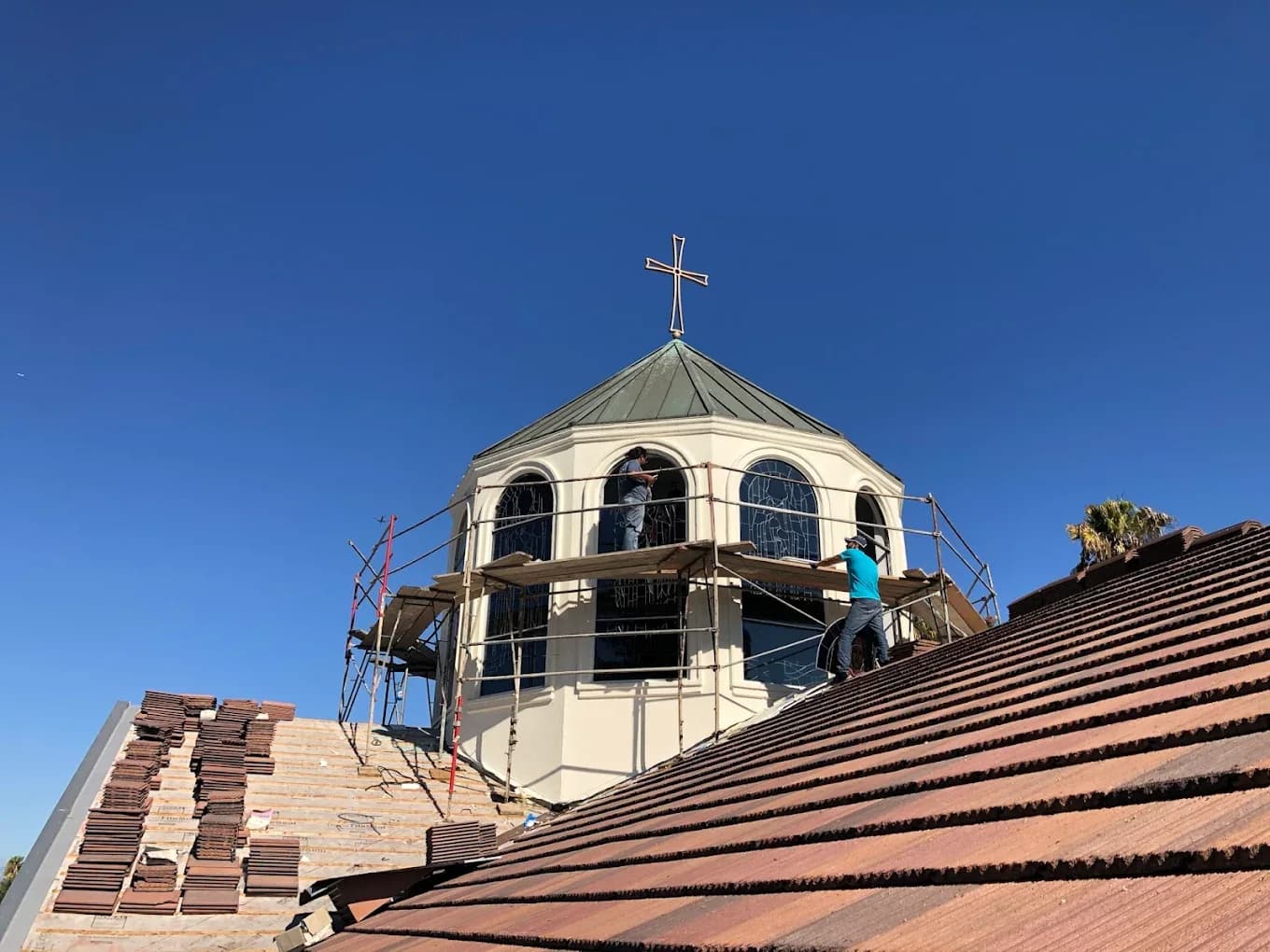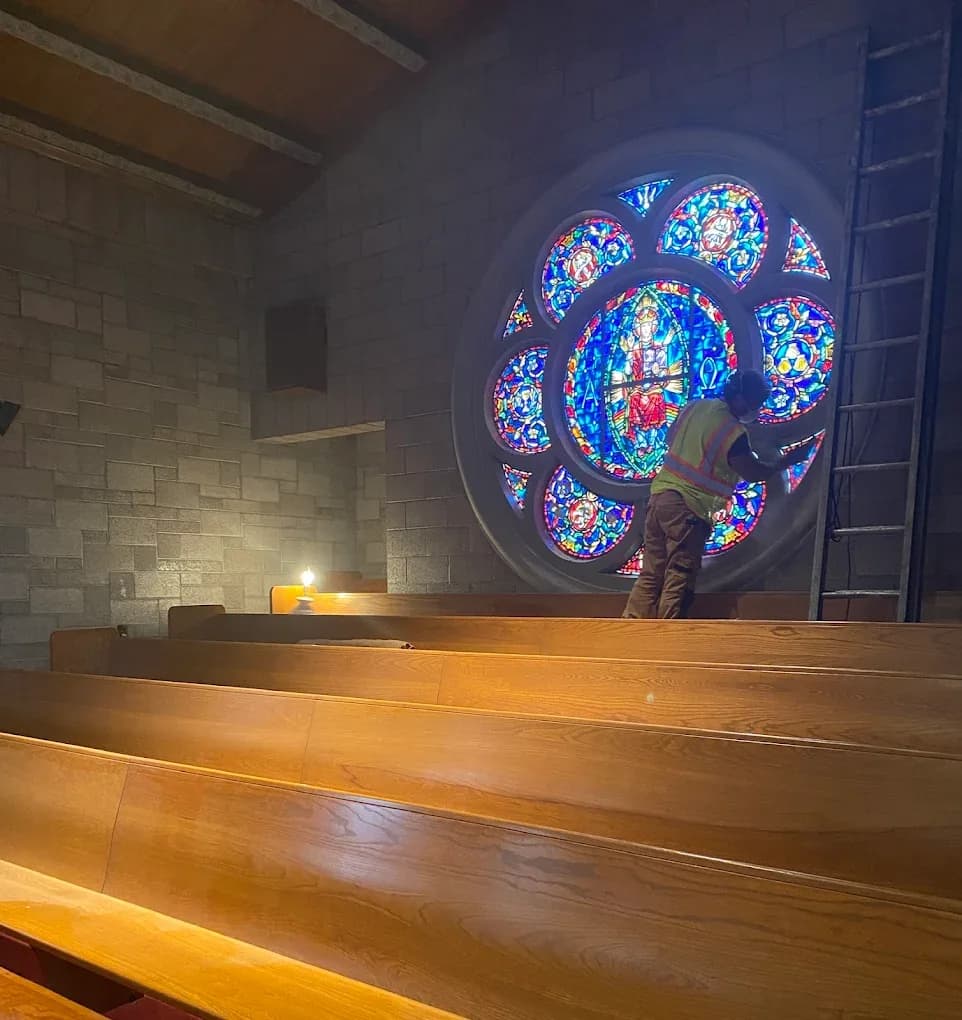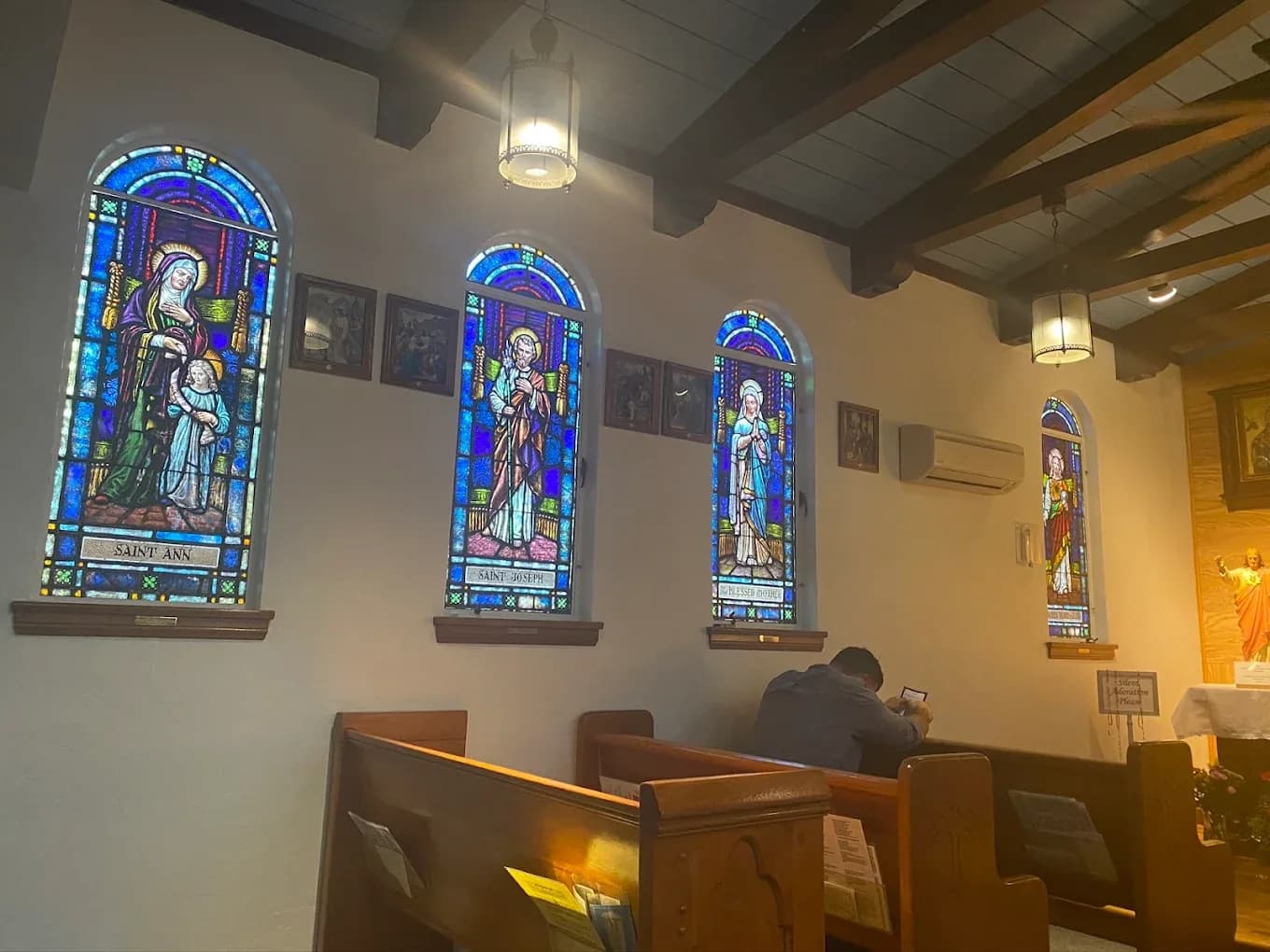

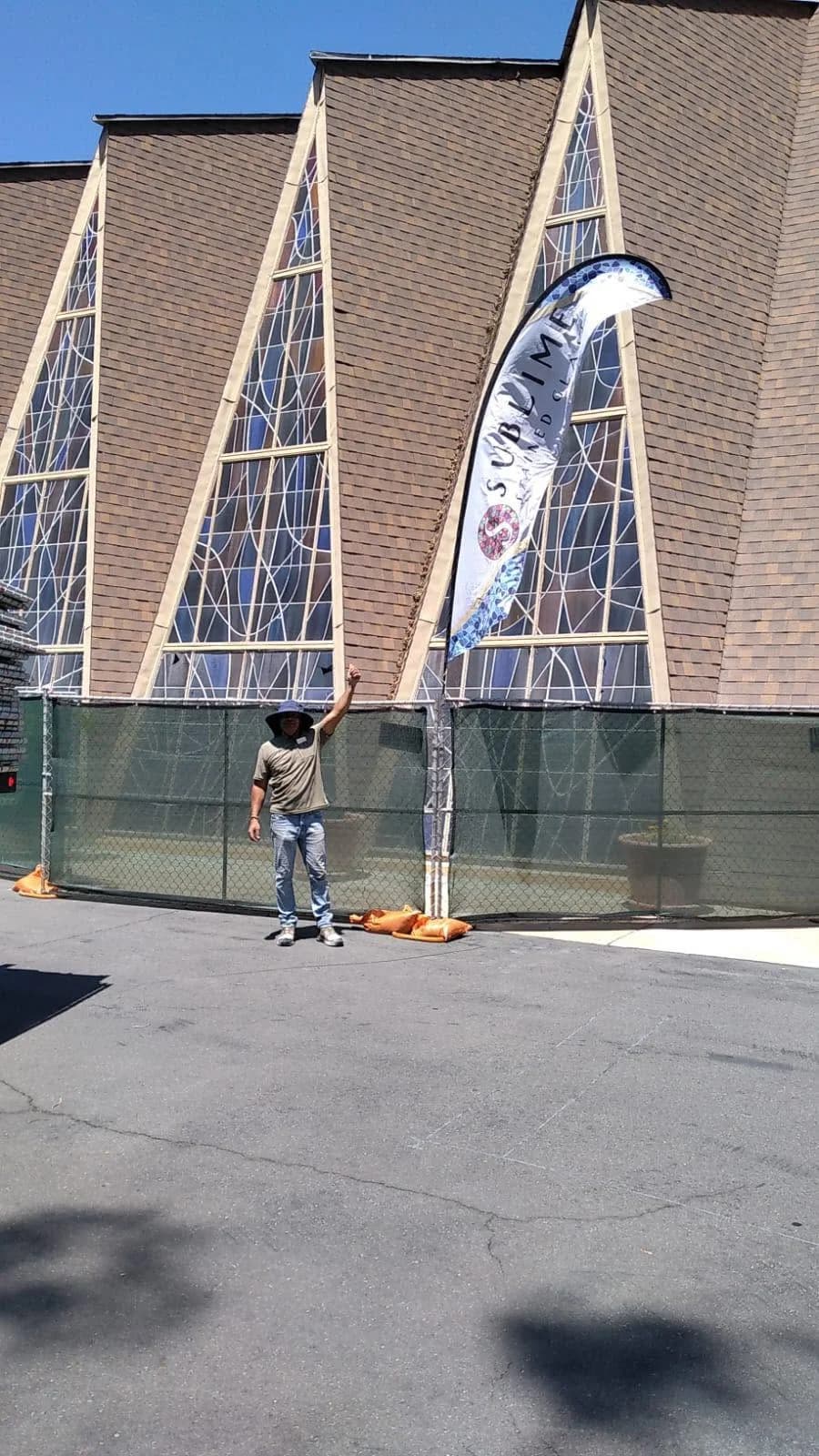
Relocating stained glass is more complex than removing a decorative panel and placing it in a new opening. The window must be documented, stabilized, transported safely and adapted to an architectural setting that may differ from the original building.
Document before removal
Every panel should be photographed in place before removal. Record location, orientation, dimensions, frame conditions, existing supports and any visible damage. If the window has religious, donor or historic meaning, document that context too.
Good documentation protects the design sequence and supports accurate reinstallation.
- Interior and exterior photographs
- Panel numbering
- Orientation notes
- Damage close-ups
- Existing support details
Assess stability before transport
A panel that is loose, bowed or cracked may need stabilization before it can be moved. Handling can worsen hidden weaknesses if the lead network or solder joints are already compromised.
The condition review should identify whether repair or partial restoration is needed before reinstallation.
- Bowing or flexing
- Loose glass
- Failed joints
- Perimeter damage
- Weak support ties
Measure the new opening carefully
The new location may require a different frame, support system or protective layer. Even small dimensional differences can affect how the panel is installed.
A relocation project should coordinate stained glass dimensions with architectural opening, sightlines, lighting and long-term maintenance access.
- Width and height
- Depth and frame type
- Interior and exterior exposure
- Lighting conditions
- Maintenance access
Transport requires protection from flex and impact
Stained glass panels should be protected from bending, vibration, pressure points and edge damage. The correct packing method depends on size, condition and distance.
Improper transport can turn a stable window into a repair project before it reaches the new building.
- Support the panel evenly
- Avoid twisting or flexing
- Protect edges
- Label orientation
- Keep documentation with the panels
Plan reinstallation as a new system
A relocated window should not be forced into an unsuitable opening. The new installation must support the panel, manage exposure, allow inspection and preserve appearance.
Safety glass installation, ventilation, trim and surrounding materials may all need to be planned as part of the reinstallation.
- New frame or adapter system
- Support bars and ties
- Weather exposure
- Safety glass installation options
- Future maintenance access
Often yes, but the panel condition, new opening, support system and transport requirements must be reviewed before removal.
If the panel is weak, bowed or damaged, repair or restoration may be appropriate before it is installed in a new location.