
Stained glass restoration is not priced like replacing a standard window. Two windows with similar dimensions can require very different scopes because condition, access, materials, protection, artistic detail and installation requirements vary widely. Understanding those variables helps clients compare proposals more intelligently.
Size is only one part of the scope
A larger window usually involves more material and labor, but size alone does not define complexity. A small panel with painted figures, rare glass or severe movement may require more careful work than a larger but simpler design.
Ask how the proposal accounts for panel condition, not only square footage.
- Overall dimensions
- Number of panels
- Complexity of glass pieces
- Painted or fired details
- Decorative borders and tracery
Access can change everything
High windows, narrow aisles, fragile floors, exterior landscaping, active worship spaces and public buildings can all affect how work is performed. Access equipment, protection of interiors and scheduling can become significant project factors.
A responsible proposal should acknowledge access assumptions rather than pretending every window is reachable the same way.
- Interior height
- Exterior approach
- Scaffold or lift requirements
- Protection of furnishings and finishes
- Work hours and building use
Condition determines whether repair or restoration is realistic
A window with one broken piece may require a small repair. A window with widespread bowing, failed lead and loose support ties may require removal and rebuilding. The visible symptom is not always the full scope.
If two proposals differ sharply, compare what each provider observed and what each excludes.
- Lead fatigue
- Failed solder joints
- Loose cement
- Broken or missing glass
- Water damage
- Support bar condition
Material matching and documentation take time
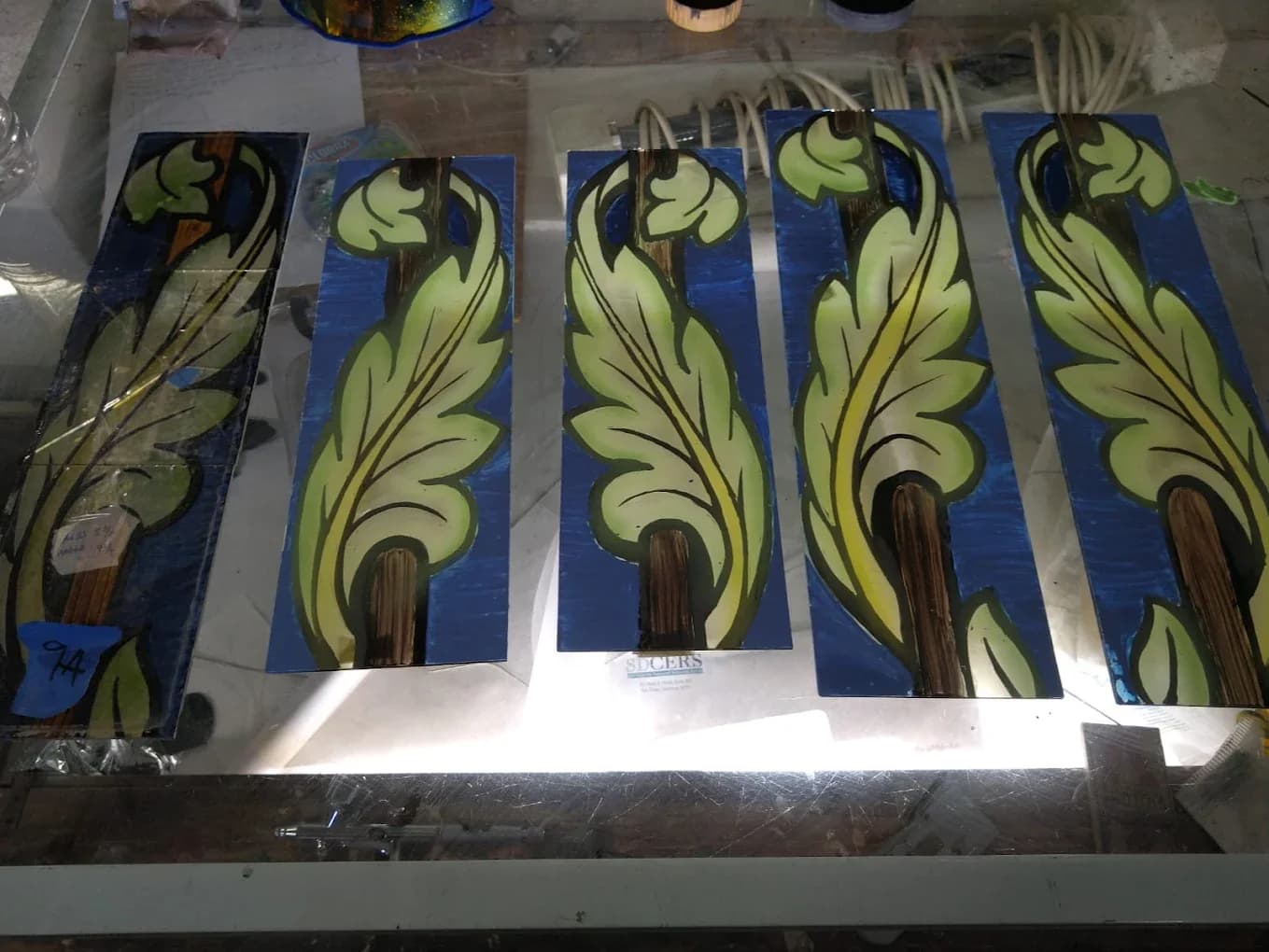
Historic glass may have color, texture and translucency that are difficult to match. Painted details and symbolic imagery require careful review. Documentation, labeling and photography also add value because they protect the project record.
The cheapest line item may not include the level of matching or documentation an important window deserves.
- Glass availability
- Color and texture matching
- Retaining fragments
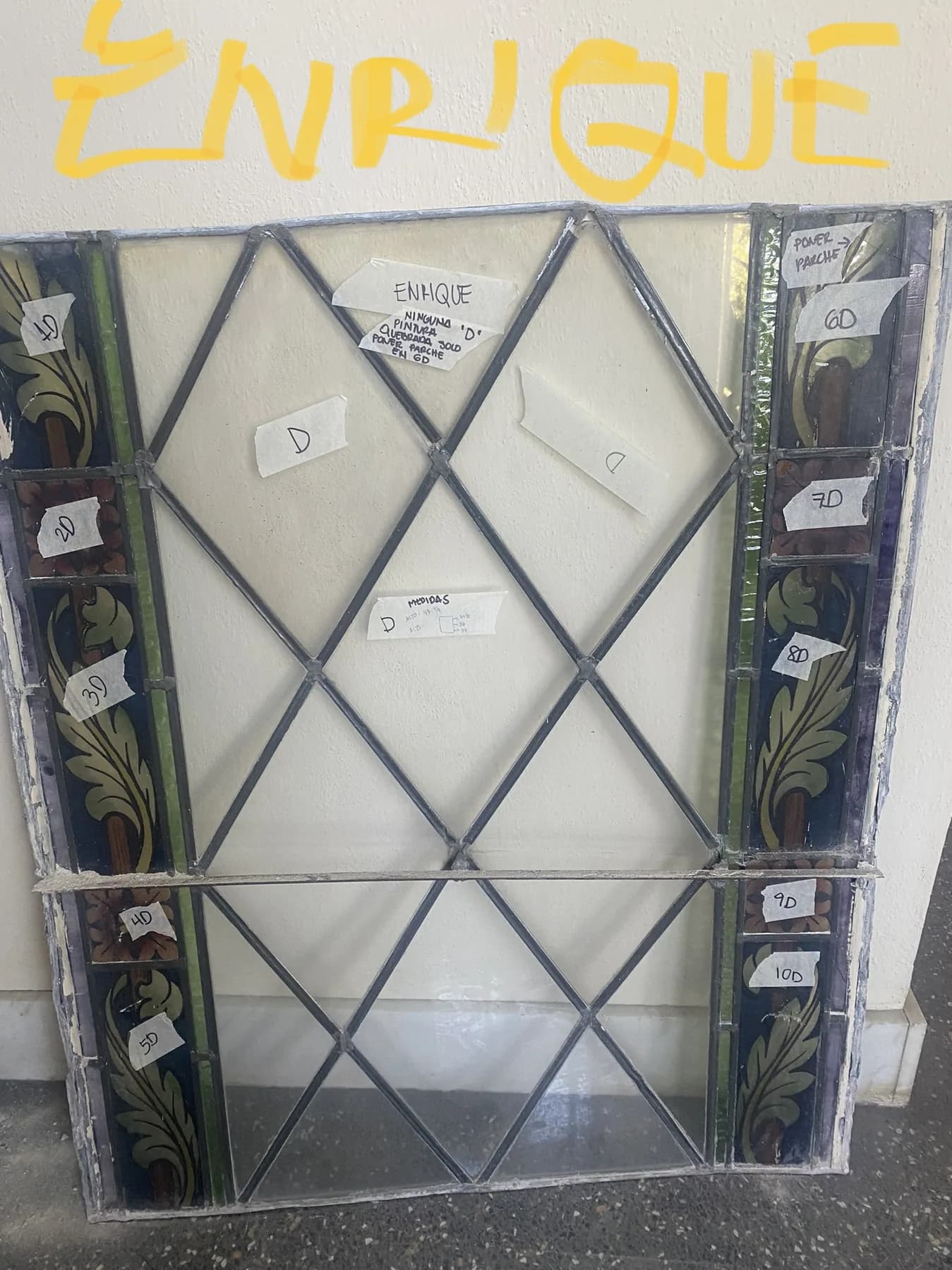
- Panel labeling
- Before and after photography
Safety glass installation and surrounding repairs may be separate
Restoring the stained glass does not automatically correct exterior covers, frames, masonry, flashing or waterproofing. Those elements may need to be evaluated separately or coordinated with other trades.
A clear proposal should describe what is included, what is excluded and what may need further review if hidden conditions appear.
- Exterior safety glass systems
- Frame repairs
- Masonry or wood repairs
- Drainage and ventilation
- Reinstallation details
Photos help with an initial review, but structural condition, access and hidden deterioration often require an on-site assessment before a reliable scope can be developed.
Proposals may include different assumptions about removal, releading, glass matching, documentation, safety glass installation, access and surrounding building work.