
The words repair, restoration and conservation are often used interchangeably, but they do not mean the same thing. Choosing the wrong treatment can waste budget, disturb original material unnecessarily or leave a structural problem unresolved. The responsible path begins with the condition of the whole window, not the most visible crack.
Start with the condition, not the label
A stained glass window is a system made of glass, lead came or copper foil, solder joints, support bars, perimeter frame, waterproofing, exterior exposure and the building opening around it. A single damaged piece may be the only problem, or it may be a symptom of movement in the entire panel.
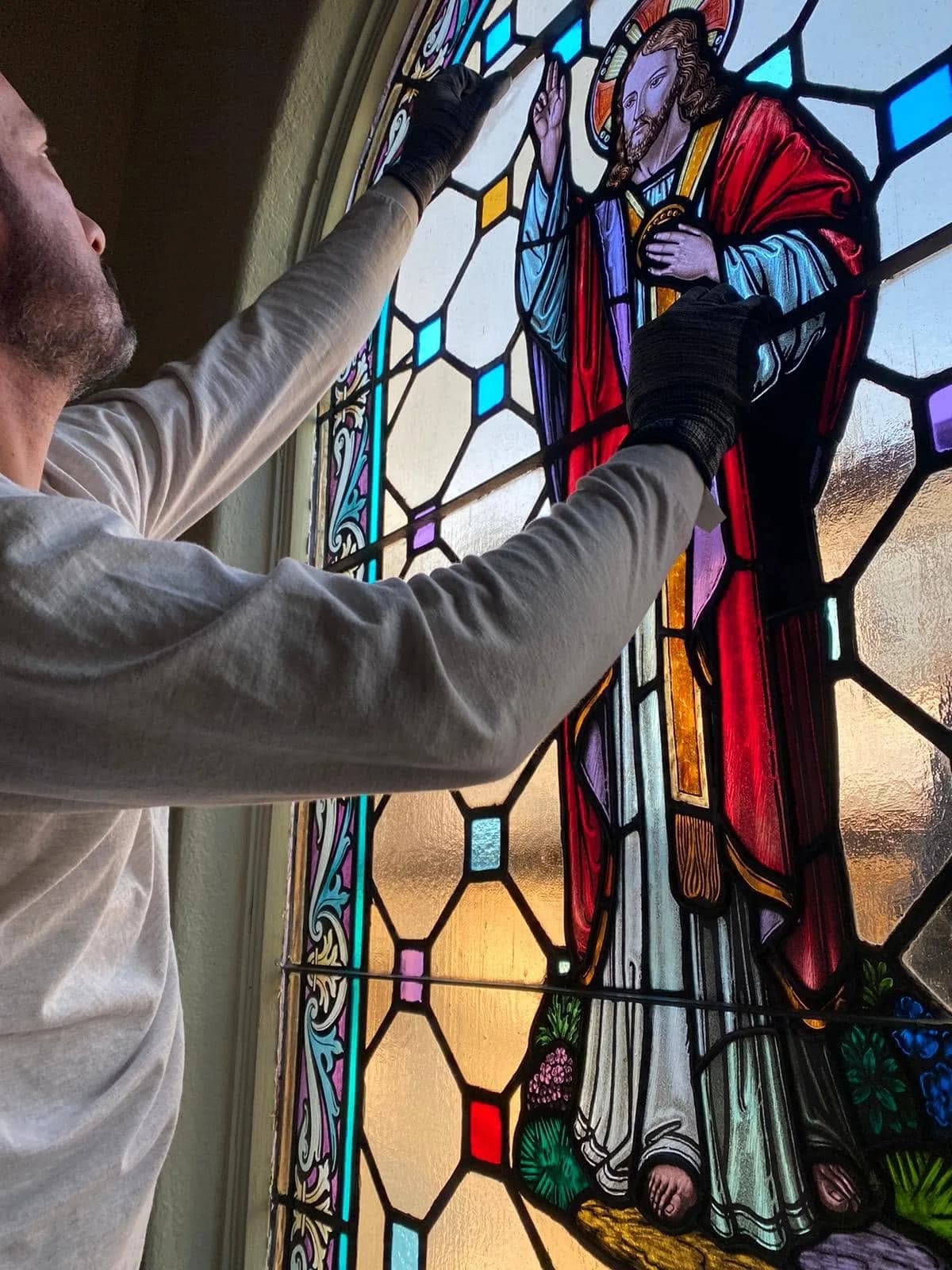
Before choosing a treatment, the reviewer should look at the window from a distance and close up, observe whether the panel is flat or bowed, check for loose pieces, review the exterior side when possible and ask about water entry, previous repairs and recent impacts.
- Localized damage can often be repaired
- Widespread movement may require restoration
- Stable historic material may need conservation rather than replacement
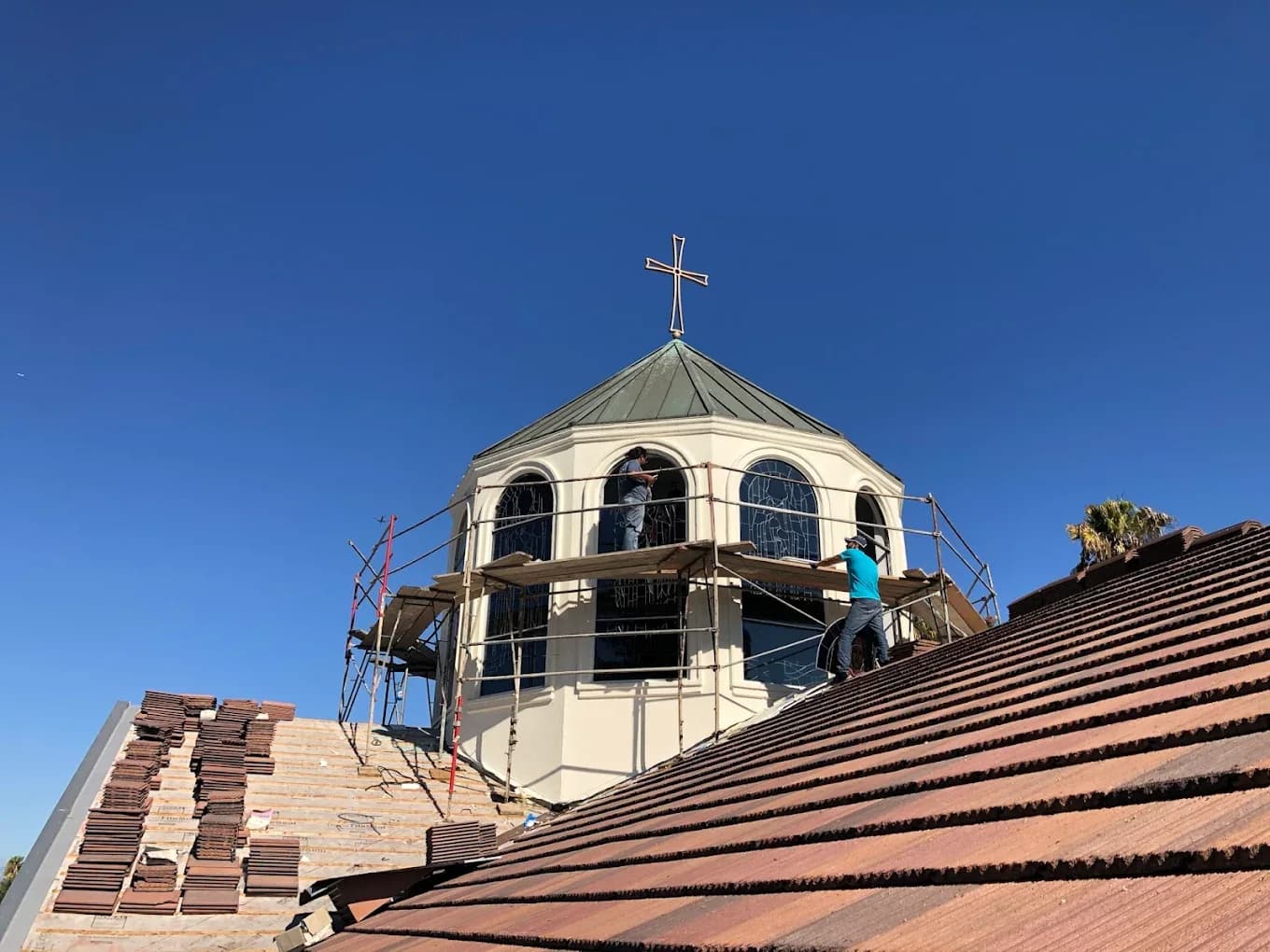
- Exterior protection should be reviewed with the stained glass, not separately
When targeted repair is the responsible choice
Repair is usually considered when the damage is limited and the surrounding matrix remains stable. Examples include a few cracked pieces, an isolated failed joint, a small broken border section or a localized impact area that has not distorted the panel.
A good repair should respect the original visual character. That may involve retaining fragments, selecting compatible glass, matching lead profiles where practical and avoiding unnecessary disassembly of sound material.
- One damaged area rather than widespread failure
- No major bowing or sagging
- Stable frame and support system
- The rest of the panel can continue performing safely
When restoration becomes more appropriate
Restoration is more likely when the lead network, cement, support bars or waterproofing have deteriorated across a broad area. In those cases, replacing a few broken pieces may make the window look better temporarily while the underlying structure continues to weaken.
Restoration may include removal, documentation, cleaning, glass repair, releading, resoldering, reinforcement, cementing, exterior protection review and reinstallation. The goal is not to make the window look new; it is to return stability and clarity while retaining as much original material as practical.
- Bowing or bulging panels
- Multiple cracks in unrelated areas
- Recurring leaks or rattling
- Loose support ties or failed solder intersections
- Old repairs that are failing again
Where conservation fits
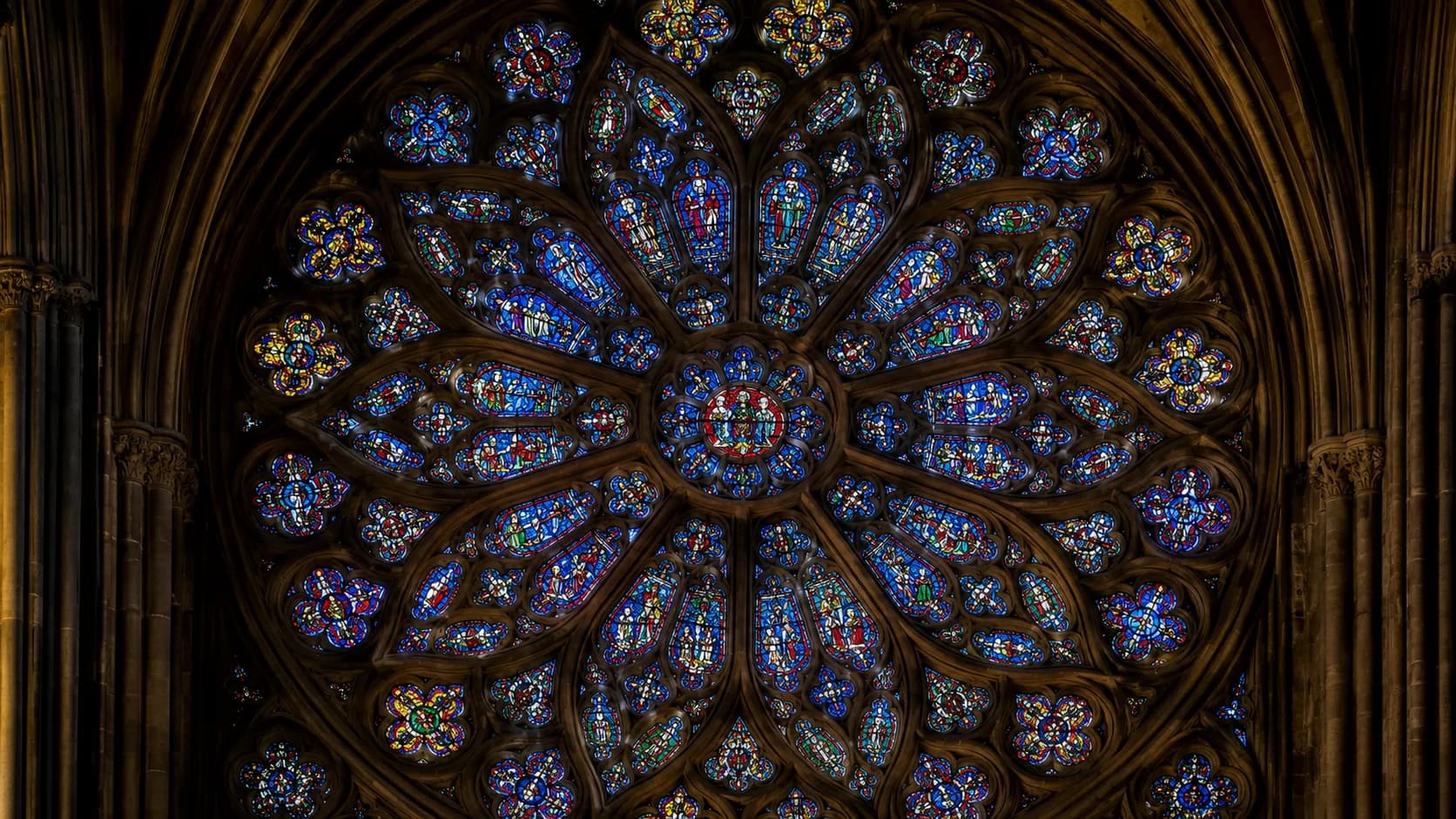
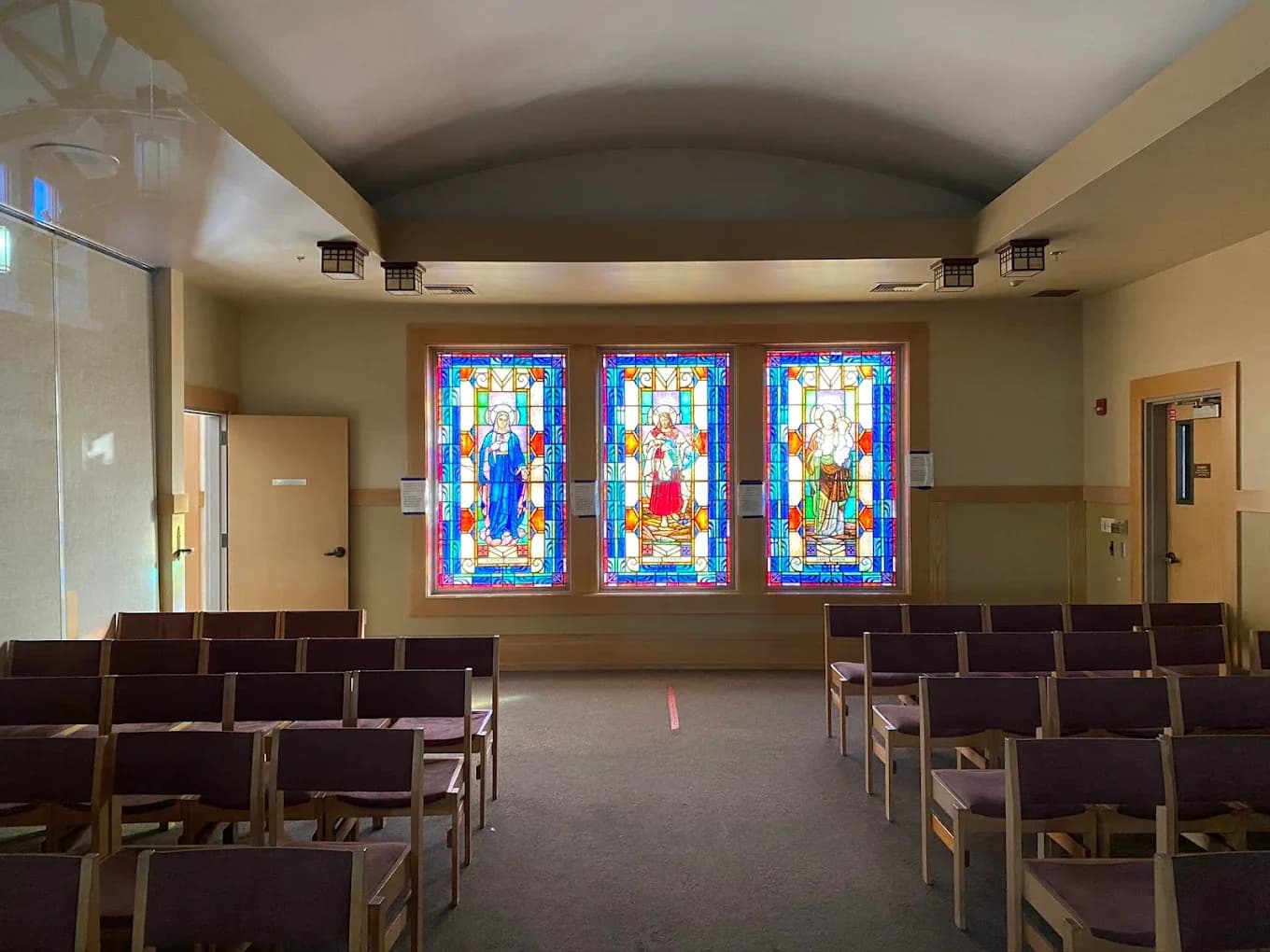
Conservation places special emphasis on retaining original material and documenting decisions. It is especially relevant for churches, historic properties, memorial buildings and windows with artistic, cultural or religious significance.
A conservation-minded approach does not mean doing nothing. It means the least invasive appropriate treatment is selected, replacements are justified, and documentation is preserved for the next generation of caretakers.
- Retain original glass where serviceable
- Document removal and treatment
- Avoid unnecessary modernization
- Plan future maintenance rather than repeated emergencies
How to begin without guessing
Start with a full-window photograph, close-ups of the concern, the city, approximate dimensions, interior and exterior access notes, and a short description of what has changed. This allows a stained glass specialist to identify whether the next step is an on-site assessment, urgent stabilization or a more detailed project review.
No article can diagnose a specific window from a distance. The purpose of good educational content is to help property owners ask better questions and avoid decisions based only on appearance.
- Photograph the entire window
- Include close-ups and exterior views
- Measure width and height if possible
- Describe water entry, movement, sound or impact history
- Preserve broken fragments when safe
No. If the surrounding panel is stable, a targeted repair may be the least invasive appropriate treatment. Restoration is considered when deterioration is broader than the visible damage.
Yes, but replacement should be limited, justified and documented. Serviceable original material is normally retained whenever practical.