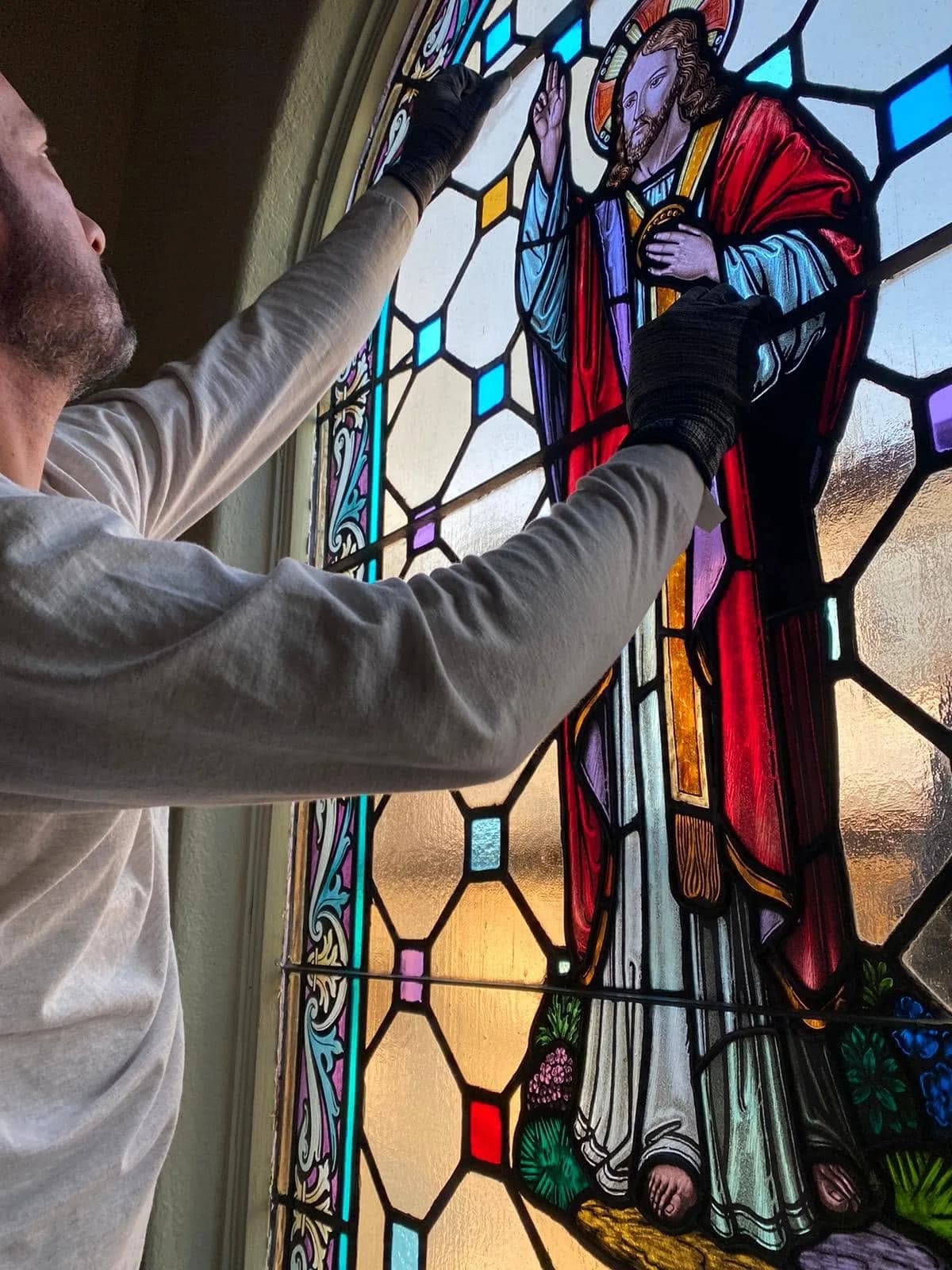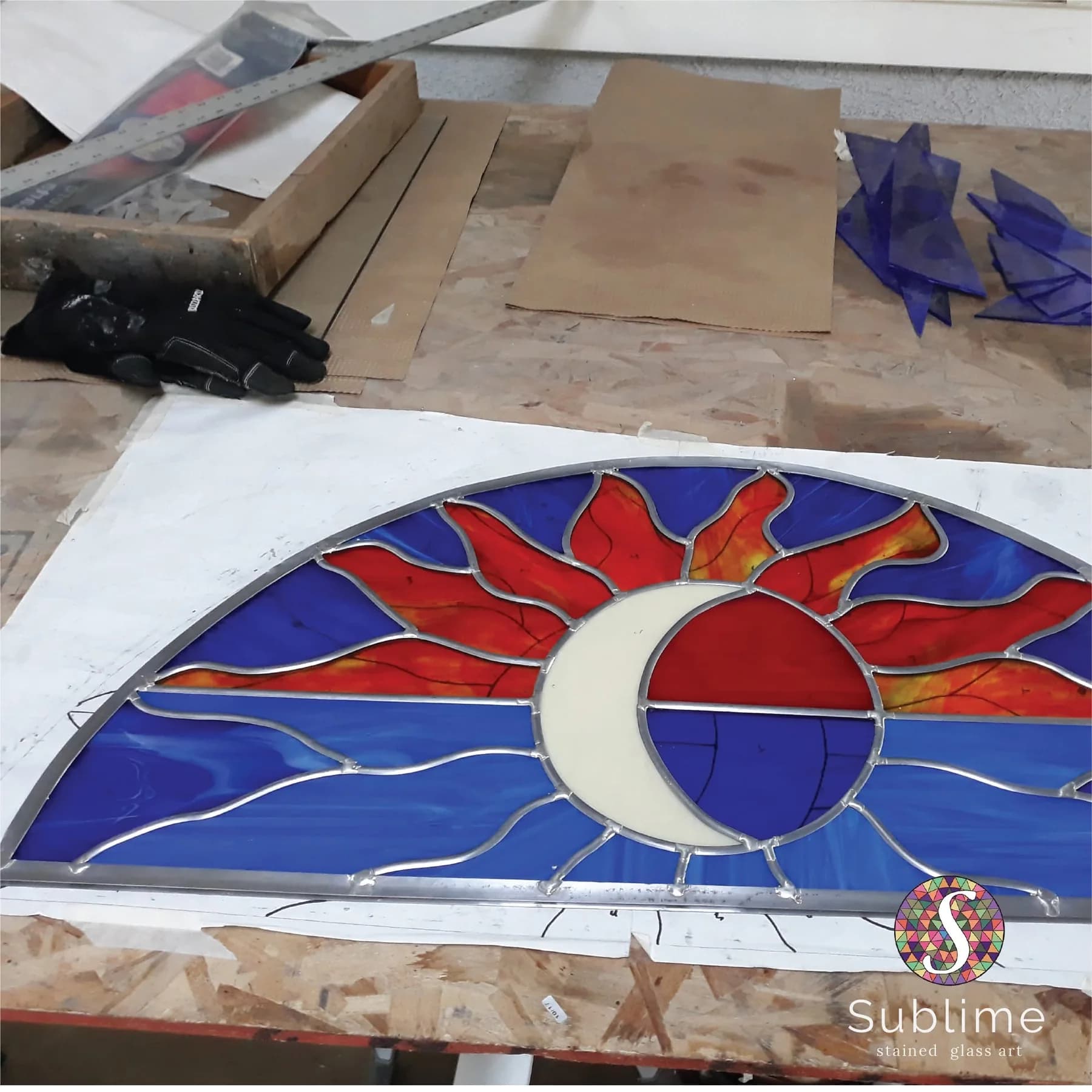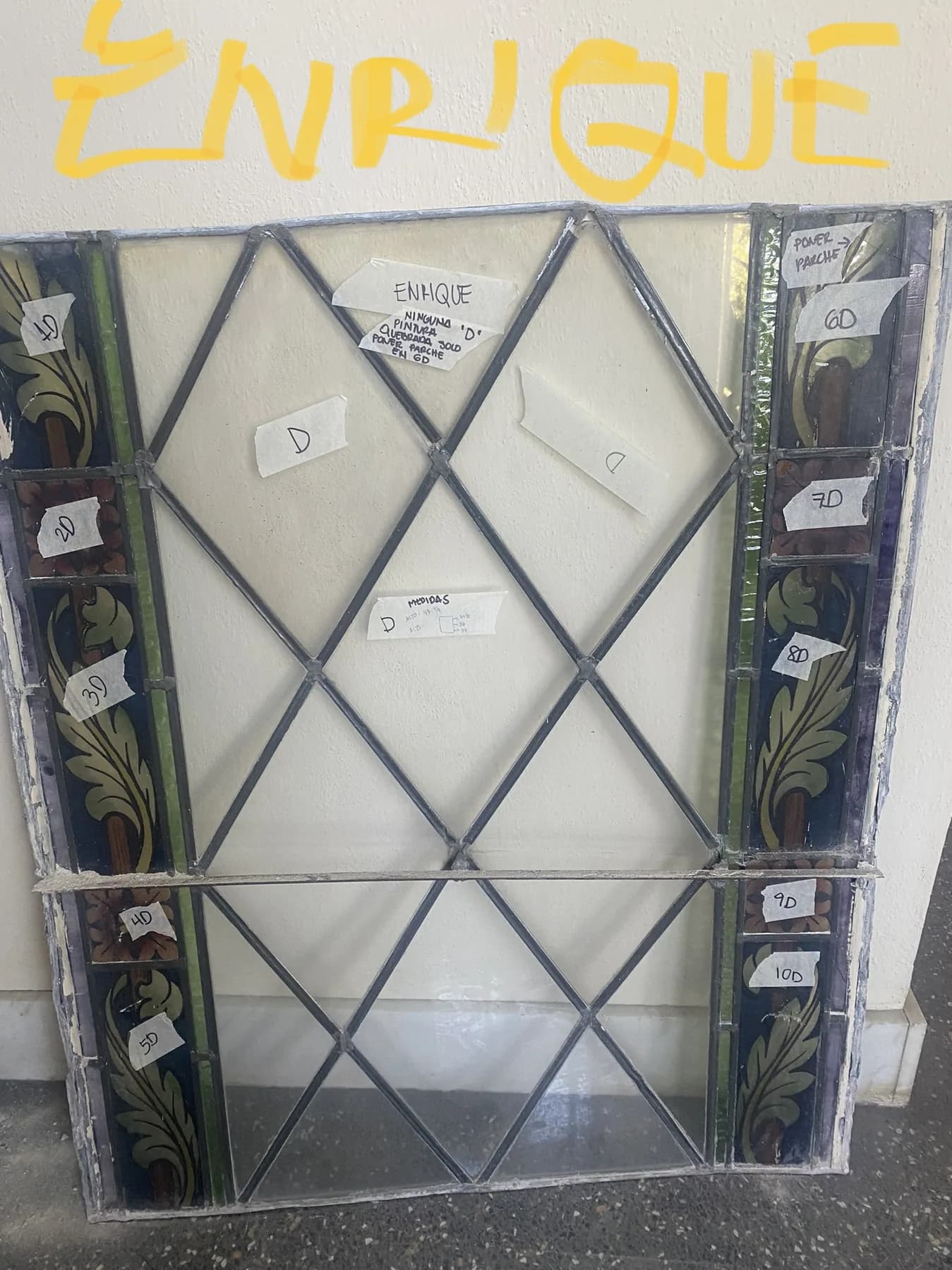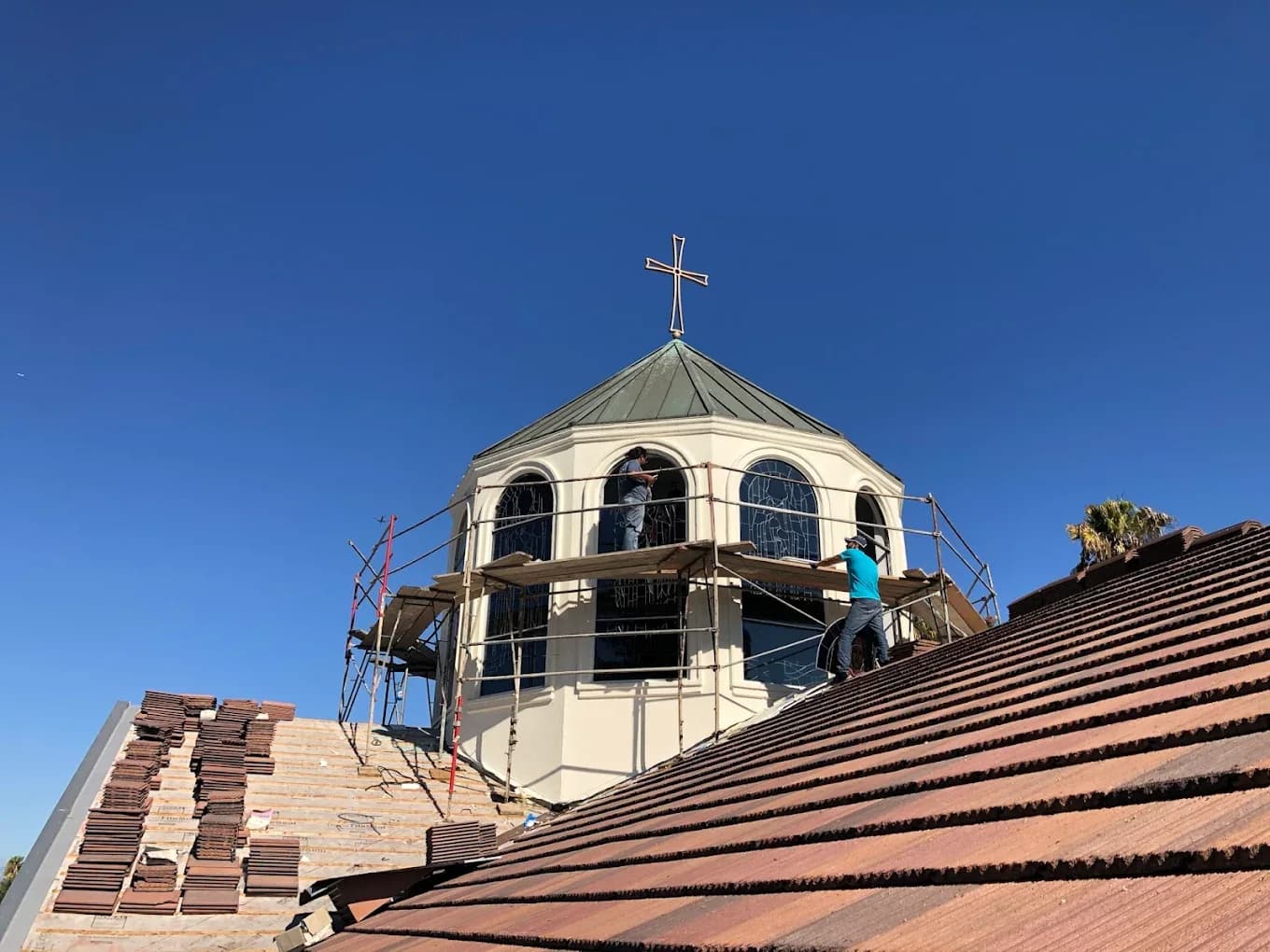


People often search for stained glass repair near a specific city, but the right provider is determined by more than distance. In Southern California, project planning can involve traffic, access, county geography, building type, high heat, coastal or inland exposure and the complexity of the window itself.
Local search should still lead to project-specific advice
A city page is useful only when it helps a client understand relevant services and next steps. A real stained glass decision still depends on condition, access, property type and whether the need is repair, restoration, protection, cleaning or custom design.
The most helpful local pages connect the city to actual services, documented projects and practical questions.
- City and county context
- Relevant services
- Related documented work
- Clear request process
- Useful local FAQs
Inland conditions can affect stained glass
Many Inland Empire properties experience strong sun, heat, dust and long service histories. These factors can contribute to material fatigue, surface buildup, movement and maintenance needs.
Local context does not replace inspection, but it helps property teams know what to watch for.
- Heat and sunlight
- Dust and exterior exposure
- Aging frames
- Long-term waterproofing issues
Urban projects may require more coordination
Los Angeles and other dense areas may involve difficult access, building security, limited parking, active worship schedules, contractors or preservation oversight.
Coordination should be part of the project discussion early, especially when panels need removal or high access.
- Scheduling constraints
- Lift or scaffold access
- Security and building management
- Coordination with contractors
Why city-service pages can help clients
A page about stained glass repair in Riverside or safety glass installation in San Bernardino should answer the searcher’s actual concern. It should explain the service in that area, show related services and tell the user what information to send.
The goal is not to duplicate content for search engines. The goal is to make local decisions easier for people.
- Clear city-specific next steps
- Relevant service explanation
- Helpful FAQs
- Internal links to deeper resources
What to include in a local request
Whether the property is in Rancho Cucamonga, Riverside, Los Angeles, Ontario or another Southern California city, the first useful package is similar: photos, dimensions, location, property type and a short description of the concern.
That information helps identify whether the next step is a repair assessment, restoration consultation, maintenance review or safety glass installation evaluation.
- City and property type
- Full-window photographs
- Close-ups of damage
- Dimensions and access notes
- Urgency or deadline
The craft is the same, but access, exposure, building type and local project history can affect planning.
It should include useful service information, city context, relevant projects or proof, FAQs and a clear way to request an assessment.